
TAMANG HERITAGE TRAIL TREKKING
Langtang Himal
0/5
0% of guests recommend
Duration
8 Days
Tour Type
Langtang Trekking
Group Size
16 persons
Location
Nepal
Overview
“Trekking within cultural villages of Tamang of great age-old impressive heritage, Glorious Mountain panorama of Ganesh and Langtang mountain range on daily walks. Walk into a beautiful hill forest covered with rhododendron-oak and pine trees Exploring scenic country on the least trekked route around remote corners of Langtang Himal Visit and interact within traditional farm villages of Tamang the hill tribe of Nepal Himalaya.”
MAJOR HIGHLIGHTS OF TAMANG HERITAGE TRAIL TREKKING
This trek combines natural beauty, cultural richness, and spiritual significance perfectly, making it a memorable Himalayan adventure. Here’s a list of the major highlights of the Tamang Heritage Trail Trekking:
Rich Tamang Culture
- Explore the vibrant culture, traditions, and lifestyle of the Tamang community.
- Traditional dance performances and interactions with local people.
Natural Hot Springs
- Enjoy the natural hot springs in Tatopani, a perfect way to relax after trekking.
Stunning Mountain Views
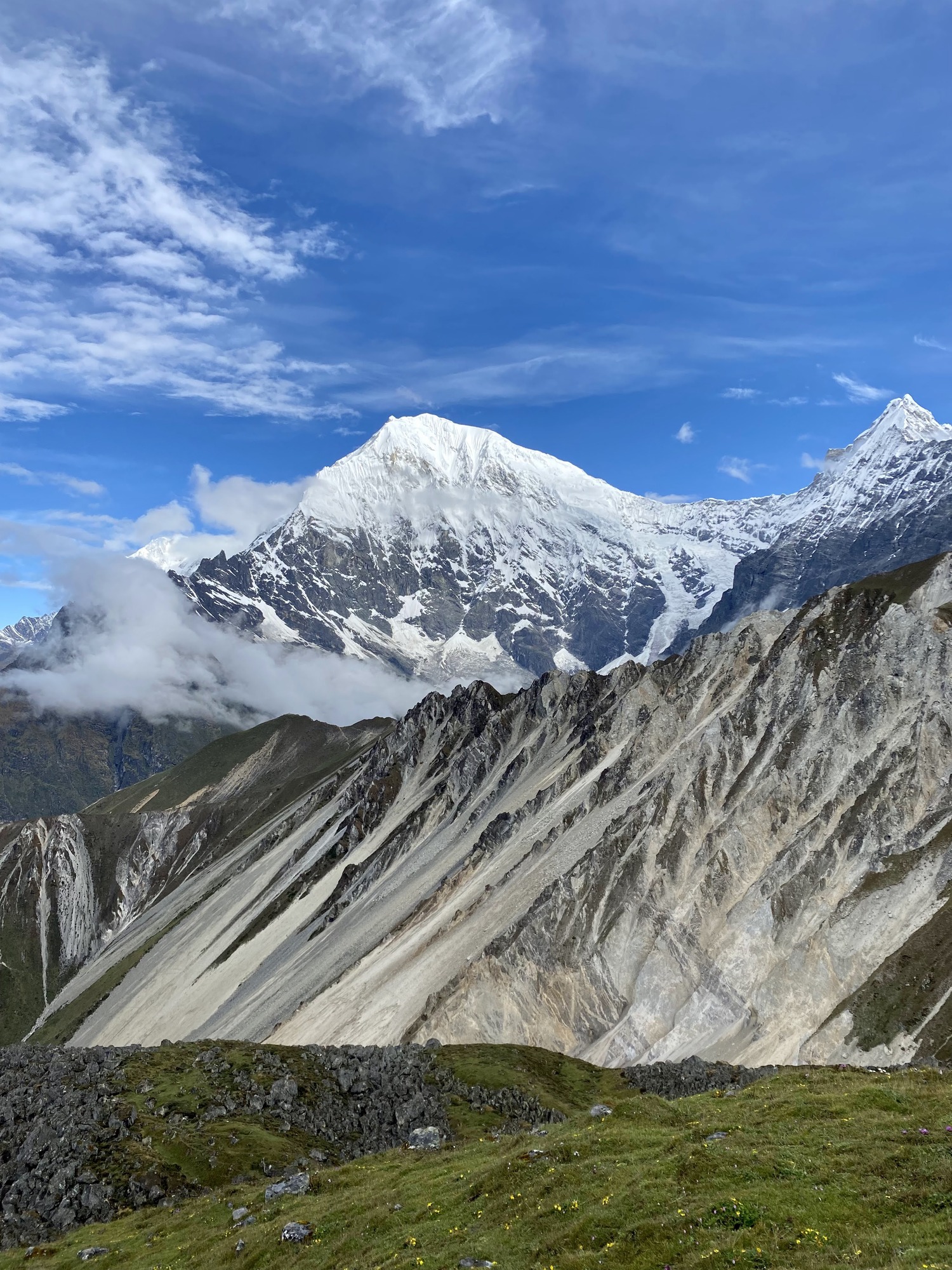
- Panoramic views of Langtang Lirung, Ganesh Himal, and other Himalayan peaks.
Traditional Tamang Villages
- Visit picturesque villages like Gatlang, Briddim, and Thuman with their unique architecture and traditional stone houses.
Diverse Landscapes
- Trek through dense forests, terraced farmlands, and alpine meadows, offering diverse natural beauty.
Langtang National Park
- Trek through Nepal’s first Himalayan national park, home to rare flora and fauna, including red pandas.
Spiritual Experience
- Visit ancient monasteries, stupas, and chortens reflecting the deep-rooted Buddhist heritage.
Authentic Local Cuisine
- Savor traditional Tamang dishes, such as Gundruk, Dhido, and Sel Roti, along with yak cheese.
Off-the-Beaten-Path Experience
- A less crowded trekking trail compared to other popular routes in Nepal, providing an authentic and serene trekking experience.
Ethnic Handicrafts and Weaving
- Discover locally made handicrafts, such as woolen products and traditional weaving techniques.
Wildlife and Biodiversity
- Spot various bird species and wildlife, including Himalayan Thar and langurs, during the trek.
Proximity to Kathmandu
- Convenient access to the trailhead, which is just a few hours' drive from Kathmandu, making it a perfect short trek.
|
Mode of Trekking: |
Hotels and lodges with local Home Stay. |
|
Trek Grade: |
Moderate with ups and downhill walks. |
|
Area of Trek: |
Nepal Central Himalaya around Langtang region. |
|
Highest Altitude Gain: |
At Nagthali above 3,154 m high. |
|
People and Culture: |
Mainly populated by Tamang people enriched with Buddhist religion with impressive traditional culture. |
|
Trek Duration: |
07 Nights and 08 Days (with driving both ways) |
|
Average walks: |
Minimum 4 hrs to Maximum 6 hrs or more. |
|
Total Trip: |
10 Nights and 11 Days from Kathmandu to Kathmandu. |
|
Seasons: |
All months of the year except monsoon times from June to August, and March to May are good for treks when wild-flowers in full bloom, where most of the days are clear for views Morning and Night time as well in shade will be cold without wind-chill factor, October to December another best months to trek when day is clear, but short sunlight hours due to autumn and winter months will be freezing morning/night times with chances of snow. |
INTRODUCTION - TAMANG HERITAGE TRAIL TREKKING
Tamang Heritage Trail walk leads you to high and cool alpine areas of the Langtang Himal range close to the massive Ganesh Himal, where local Tamang call Yangra of Tibetan origin as Tamang an ancient tribe settled around the high mountains of Nepal Himalaya since past thousand years of history.
Tamang Heritage Trail is a journey of marvelous walk exploring modern period farm villages where old heritage and colorful culture are as lively as it was hundreds of centuries ago, where Tamang tribe drifted from inner Mongolia and Tibet, actually horsemen and cavalry soldiers in the early days, as the name Ta means horse at present living a farm life with great cultivated fields and terraces as well breeding horses and raising domestic animals.
The Tamang are also skilled craftsmen which you can witness on this pleasant and wonderful Tamang Heritage Trail where houses adorned with Buddhist symbols and intricate carving on doors and windows of their houses with colorful prayer flags outside their homes.
Tamang Heritage Trail begins after a drive North of Kathmandu around the Langtang Himal region, the closest mountain range from the capital and as well to the Tibet-China border, where our walk leads close to the frontier of Rasuwa-Gadhi.
On reaching Dhunche and Syabrubesi, where walk leads North West on the off-beaten tracks least traveled by other main flow of trekkers visiting Tamang lovely traditional farm villages of interesting cultures around Gatlang-Tatopani (a place with natural hot-spring) and Thuman.
Walking into the serene cool forest of rhododendron pines and fir tree lines with tremendous scenery of beautiful landscapes and mountain views of Ganesh-Manaslu and Langtang Himal range, around Tamang villages with time to interact and immerse within its age-old heritage, then our journey completes driving back to Kathmandu, after a memorable experience and enjoyable time on Tamang Heritage Trail Trekking.
PACKING LIST FOR TAMANG HERITAGE TRAIL TREKKING
Here’s a comprehensive packing list for Tamang Heritage Trail Trekking to ensure you’re prepared for the trek while keeping your gear lightweight:
1. Clothing
Pack layers to adapt to changing weather conditions.
Upper Body
- Base layers (moisture-wicking thermal shirts)
- Insulating layer (fleece or down jacket)
- Outer shell (waterproof and windproof jacket)
- T-shirts (quick-drying; 2–3 pieces)
- Lightweight sweater or long-sleeve shirt for evenings
Lower Body
- Hiking pants (2 pairs, quick-drying)
- Thermal leggings (1–2 pairs for colder nights)
- Waterproof pants (for rain or snow)
- Comfortable shorts (optional for lower altitudes)
Underwear
- Moisture-wicking underwear (4–5 pairs)
- Sports bras (for women)
Head and Hands
- Wide-brim hat or cap (for sun protection)
- Warm hat or beanie (for colder temperatures)
- Buff or neck gaiter (for dust and wind)
- Lightweight gloves (fleece or insulated)
2. Footwear
- Trekking boots (comfortable, well-broken-in, and waterproof)
- Camp shoes or sandals (for evenings)
- Hiking socks (4–5 pairs, moisture-wicking and warm)
- Gaiters (optional, for muddy or snowy conditions)
3. Sleeping Gear
- Sleeping bag (rated for -10°C to -15°C; rentals are available in Kathmandu)
- Sleeping bag liner (optional for extra warmth)
4. Trekking Gear
- Trekking poles (collapsible; helpful for uneven trails)
- Backpack (30–40L for day use)
- Duffle bag (carried by porters if needed)
- Rain cover for backpack
- Dry bags or ziplock bags (for organizing and waterproofing items)
5. Toiletries and Personal Hygiene
- Quick-dry towel
- Toothbrush, toothpaste, and floss
- Biodegradable soap/shampoo
- Deodorant
- Wet wipes (for quick cleaning when showers are unavailable)
- Hand sanitizer
- Sunscreen (SPF 30+ or higher)
- Lip balm with SPF
- Feminine hygiene products (if applicable)
- Small mirror
6. Health and First Aid
- Personal medications (if needed)
- Basic first aid kit (band-aids, antiseptic cream, blister patches, painkillers, etc.)
- Altitude sickness medicine (e.g., Diamox, as advised by your doctor)
- Water purification tablets or filter
- Oral rehydration salts
7. Miscellaneous Essentials
- Trekking map or guidebook
- Headlamp (with extra batteries)
- Water bottles or hydration bladder (2–3L capacity)
- Snacks (energy bars, nuts, or chocolates)
- Cash (Nepalese rupees; for tea houses and local purchases)
- Lightweight notebook and pen (optional)
- Camera or smartphone (with extra batteries/power bank)
- Travel adapter and charging cables
8. Optional Items
- Sunglasses (UV protection)
- Lightweight book or Kindle for downtime
- Compact binoculars (for wildlife and mountain viewing)
- Earplugs (for noisy tea houses)
- Playing cards or small games
- Small prayer flags or souvenirs for monasteries (optional, as a gesture of respect)
9. Documents
- Passport (with a valid Nepal visa)
- Trekking permits (Langtang National Park Permit and TIMS card)
- Travel insurance (with trekking coverage)
- Emergency contact information
10. Food and Drinks
- Electrolyte powder or energy drinks
- Reusable utensils (optional: spork, cup, or bowl)
- Lightweight thermos (for hot water or tea)
Pro Tip: Keep your packing list minimal but comprehensive. The Tamang Heritage Trail doesn’t require technical climbing gear, so focus on comfort and layering.
Included/Excluded
Three times meals (breakfast,lunch,dinner) breakfast with hot drinks . accommodations during trekking tea house basis
transportation to trekking starting point and from ending point to kathmandu (airport pick up and drop )
All necessary permits for trekking
accommodation during the trek (Twin Sharing Base)
duffels bags , sleeping bags , down jackets if you needed
First Aid and Eco trained English Speaking professionals to guide with a medical kit .
Staff insurance, well-paid salary, equipment, food, Hotel, etc.
Purified drinking water (Ef-Chlor – water purification tablet)
Certificate of achievement .
Farewell dinner in Nepali restaurant in Thamel before you depart from Nepal.
An airport transfer as per your departure date and time
two night hotel in kathmandu
guide and porter
International airfare, Nepal visa fee and any kind of insurance
Insurance
Bar bills, extra foods hot drinks , drinking water
wifi, hot showers, local entrance fees, donations, mobile or power bank charge
tips for guide and porters (expected)
Hotel in kathmandu (for not included on price )
Local entrance fees and donation .
extra days in nepal
Itinerary
DAY 1
Drive From Kathmandu to Gatlang via Syabrubesi
DAY 1
Drive From Kathmandu to Gatlang via Syabrubesi
Elevation of Kathmandu: 1,400 meters
Elevation of Syabrubesi: 1,503 meters
Elevation of Gatlang: 2,238 meters
Distance to drive: 139 kilometers
Duration of the Drive: 8–9 hours
You begin your Tamang Heritage Trek experience today by leaving the crowded and cacophonous streets of Kathmandu behind and traveling towards Gatlang.
Being the capital, Kathmandu offers a lot of good facilities and attractions. Since it is home to the only international airport, it is the first destination.
You can extend your trip by one day to explore this city. You can see a number of its UNESCO-protected heritage sites, including Temple Pashupatinath, Swayambhunath, Stupa Boudhanath, and others. Not to mention the nightlife.
As you leave the region, you will be surrounded by verdant hills. You pass via the Trishuli Rivers. However, it can be a bumpy drive because some of the roads are rocky.
The captivating view of some mountain peaks, such as Annapurna, Manaslu, etc., that you get to see when you look out your window is compensated for, though.
The Langtang Tamang Heritage Trail is not far from Kathmandu. After eight to nine hours of driving, you reach Gatlang at an elevation of 2238 meters.
The breathtaking Tamang valley in Gatlang is 2238 meters above sea level. You will spend the night sitting here.
DAY 2
Trek From Gatlang to Tatopani
DAY 2
Trek From Gatlang to Tatopani
Elevation of Tatopani: 2,607 meters
Trek Length: 10–12 km
Duration of Trek: 5–6 hours
On the third day of this hike, you will be walking from Gatlang to Tatopani, which will take roughly five to six hours.
Start your leisurely journey through the dense forests and down the several walls of Chortens and Mani till you arrive at Chilime.
It takes roughly two and a half hours. It takes around an hour and a half to cross the suspension bridge and ascend through the terrace to reach the settlement of Gonggang.
After lunch, the trail gently climbs before reaching Tatopani. It takes roughly two hours to finish. You can drink natural water from a hot spring. It is said that bathing in a natural hot spring will relieve all of your aches and pains.
DAY 3
Trek From Tatopani to Nagthali
DAY 3
Trek From Tatopani to Nagthali
Elevation of Nagthali: 3,165 meters
Trek Length: 7–9 km
Trek Time: three to five hours
To get to a viewpoint at Nagthali, travel through the forests. The route climbs and descends until it reaches Brimdang, where a single monastery is perched on a hill. It takes roughly two hours to finish.
After that, the easy path climbs for almost two hours to reach Nagthali's viewpoint. a clear view of the Tibetan Himal, Shishapangma, Ganesh Himal, Langtang Lirung, and other snow-capped mountains.
DAY 4
Trek From Nagthali to Timure
DAY 4
Trek From Nagthali to Timure
Elevation at Timure: 1,762 meters
Ten kilometers is the trek distance.
Trek Time: four to six hours
The trail descends to the town of Thuman, which takes about an hour and a half, with a good view of the Himalayan landscape and sunrise. You won't locate a motel until Timure, so have a tea break.
To go to Bhote Kosi Nadi, descend by suspension bridge and pass over. It now takes almost four hours to travel upstream from Bhote Kosi to the settlement of Timure.
DAY 5
Excursion to Rasuwagadhi and Back to Timure
DAY 5
Excursion to Rasuwagadhi and Back to Timure
Elevation of Rasuwagadhi: 1,815 meters
8–10 km on foot
Walk Time: four to six hours
Trek to Rasuwagadhi after breakfast. It takes almost two hours to reach Rasuwagadhi, where the trail gently climbs.
This is an old trade route that leads to the historic fort of Rasuwagadhi and Tibet. After spending roughly one and a half hours in the Rasuwagadhi, return to the lodge. lunch and spending the night in the cabin.
DAY 6
Trek From Timure to Briddhim
DAY 6
Trek From Timure to Briddhim
Elevation of Briddhim: 2,230 meters
Ten kilometers is the trek distance.
Duration of Trek: 5–6 hours
It takes roughly three hours to get to Lingling by continuing on the Bhote Kosi upstream trail. The trail slowly ascends to the settlement of Briddhim after lunch. It takes roughly two hours to finish.
This is a charming small Tamang village. Through a Home Stay, it offers insight into the Himalayan community. We'll take you to a former monastery. This is where you will stay at your local homestay.
DAY 7
Trek From Briddhim to Syabrubesi
DAY 7
Trek From Briddhim to Syabrubesi
Trek Length: 7–9 km
Trek Time: three to four hours
On the eighth day of this hike, you will be walking from Briddim to Syabrubesi, which will take four to five hours.
Since you are returning to your starting place, your journey today is really short and straightforward.
As you descend the trails, you pass through a number of little woodlands that are bordered by oaks, pines, rhododendron, and other trees.
You will enter Syabrubesi while strolling through tiny settlements and admiring the stunning mountain tops.
The remainder of the day is free to tour the city and stop by neighborhood art stores that sell sculptures, shawls, aprons, and other items. or simply unwinding after the day. Take as many pictures as you like because this is your last day in this area.
DAY 8
Drive From Syabrubesi to Kathmandu
DAY 8
Drive From Syabrubesi to Kathmandu
Distance Driven: 1200 kilometers
Duration of the Drive: 7-8 hours
Today marks the end of this amazing journey over the Tamang Heritage routes, and after a hearty breakfast in Syabrubesi, we head towards Kathmandu.
After leaving the Langtang region's entrance, the scenic trip takes about six to seven hours. After a rough journey, you can view verdant landscapes and running rivers.
Once you arrive in Kathmandu, you will be taken to your lodgings, where you can either recover completely or go for a stroll around the city.
Travel Styles
Cultural
Nature & Adventure
Independent
Activities
Festival & Events
Special Interest
Facilities
Wifi
Mountain Bike
FAQs
Where is the Tamang Heritage Trek located?
The Tamang Heritage Trek is located in the Langtang Region, north of Kathmandu, near the Tibetan border. It is part of Langtang National Park and offers a blend of cultural and scenic beauty.
How long is the Tamang Heritage Trek?
The Tamang Heritage Trek typically takes 7–10 days, depending on your itinerary. Some trekkers combine it with the Langtang Valley Trek for a longer adventure
What is the difficulty level of the Tamang Heritage Trek?
This trek is moderate. It involves daily hikes of 5–6 hours, with some steep ascents and descents. It is suitable for beginners and experienced trekkers with moderate fitness.
What is the maximum altitude of the Tamang Heritage Trek?
The highest point on the trek is Nagthali Gyang (3,165m / 10,383ft), offering stunning views of Langtang Lirung, Ganesh Himal, and Tibetan peaks.
What permits are required for the Tamang Heritage Trek?
You need the following permits:
Langtang National Park Entry Permit – NPR 3,000 (~$25) for foreigners.
Trekkers’ Information Management System (TIMS) card – NPR 2,000 (~$15)
What is the best season for the Tamang Heritage Trek?
The best time to trek is:
Spring (March–May) – Blooming rhododendrons, warm weather, clear views.
Autumn (September–November) – Stable weather, crystal-clear mountain views.
Trekking in winter (Dec–Feb) is possible but can be cold. Monsoon (June–Aug) brings rain and slippery trails.
What kind of food is available during the trek?
Teahouses serve a variety of meals, including:
Dal Bhat (rice, lentils, vegetables) – A staple Nepali trekking meal.
Momos (dumplings), noodles, and soups.
Tibetan bread, pancakes, eggs – Breakfast options.
Local Tamang specialties like Chhurpi (dried yak cheese) and fermented millet beer.
Is safe drinking water available on the trek?
Yes, but tap and river water need purification. You can:
Buy bottled water (expensive at higher altitudes).
Use water purification tablets or a water filter.
Refill at teahouses (boiled water available for a small fee).
What are the accommodation options on the trek?
Trekkers stay in basic teahouses or lodges run by local Tamang families. Rooms are simple with twin beds, and bathrooms may be shared.
Are hot showers available?
Yes, hot showers are available in most teahouses for an extra cost (around $2–$5). In some places, hot water is solar-heated.
How are the trekking trails on the Tamang Heritage Trek?
The trails are well-maintained but involve steep ascents, descents, and forest paths. You will walk through rhododendron forests, terraced fields, and traditional villages.
What are the major highlights of the Tamang Heritage Trek?
Rich Tamang culture and Tibetan-influenced villages.
Scenic views of Langtang Lirung, Ganesh Himal, and Shishapangma.
Tatopani Hot Springs – A perfect place to relax.
Ancient monasteries, Buddhist chortens, and prayer flags.
Wildlife in Langtang National Park (red pandas, Himalayan black bears, yaks, and more).
What is the history of the Tamang people?
The Tamang people are indigenous to Nepal, with roots linked to Tibetan ancestry. They were historically traders, horsemen, and farmers along the Tibetan-Nepal border. Their culture is deeply influenced by Tibetan Buddhism, reflected in their language, dress, festivals, and monasteries.
Is altitude sickness a concern on this trek?
Since the highest point is 3,165m, the risk of altitude sickness is low. However, trekkers should:
Stay hydrated and trek gradually.
Avoid alcohol and smoking.
Take rest days if feeling unwell.
Do I need a guide and porter for this trek?
The Tamang Heritage Trek can be done without a guide, but hiring a guide enhances the cultural experience. A porter is recommended if you don’t want to carry a heavy backpack.
Is the Tamang Heritage Trek safe for solo trekkers?
Yes, it is safe for solo trekkers, as the trail passes through villages. However, hiring a guide is recommended for cultural insights and navigation.
Is there Wi-Fi and mobile network on the trek?
Mobile networks (NTC/Ncell) work in some areas, but the signal is weak.
Wi-Fi is available in some teahouses for a small fee.
What should I pack for the Tamang Heritage Trek?
✅ Warm clothing (layering is key).
✅ Trekking boots (good grip for uneven trails).
✅ Sleeping bag (-10°C recommended).
✅ Water purification tablets.
✅ First aid kit (bandages, painkillers, altitude sickness medicine).
How much does the Tamang Heritage Trek cost?
On average:
Budget trek (basic teahouses, no guide/porter): $400–$500.
Mid-range (with guide, better accommodation): $600–$900.
Luxury trek (private transport, best lodges): $1,000+.
Why choose the Tamang Heritage Trek over other Nepal treks?
✅ Less crowded than Everest & Annapurna regions.
✅ Authentic cultural experience with Tamang communities.
✅ Moderate difficulty – Suitable for beginners & experienced trekkers.
✅ Hot springs, monasteries, and stunning landscapes.
Tour Location
Langtang Himal
Reviews
0/5
Not Rated
Based on
0 review
Excellent
0
Very Good
0
Average
0
Poor
0
Terrible
0
No Review
MVTreks and Expedition

Member Since Dec 2024
16%
from
$900
$750
Tour Start Date
{{ start_date_html }}
Tour End Date
{{ end_date_html }}
Last Booking Date
{{ last_booking_date_html }}
{{start_date_html}}
{{type.desc}}
{{type.display_price}} per person
Extra prices:
({{type.price_type}})
{{type.price_html}}
Discounts:
{{type.from}} - {{type.to}} guests
from {{type.from}} guests
- {{ formatMoney(type.total) }}
({{type.price_type}})
{{ type.price }}%
{{ formatMoney(type.price) }}
- {{total_price_html}}
- {{pay_now_price_html}}
You might also like

from
$900
$750
