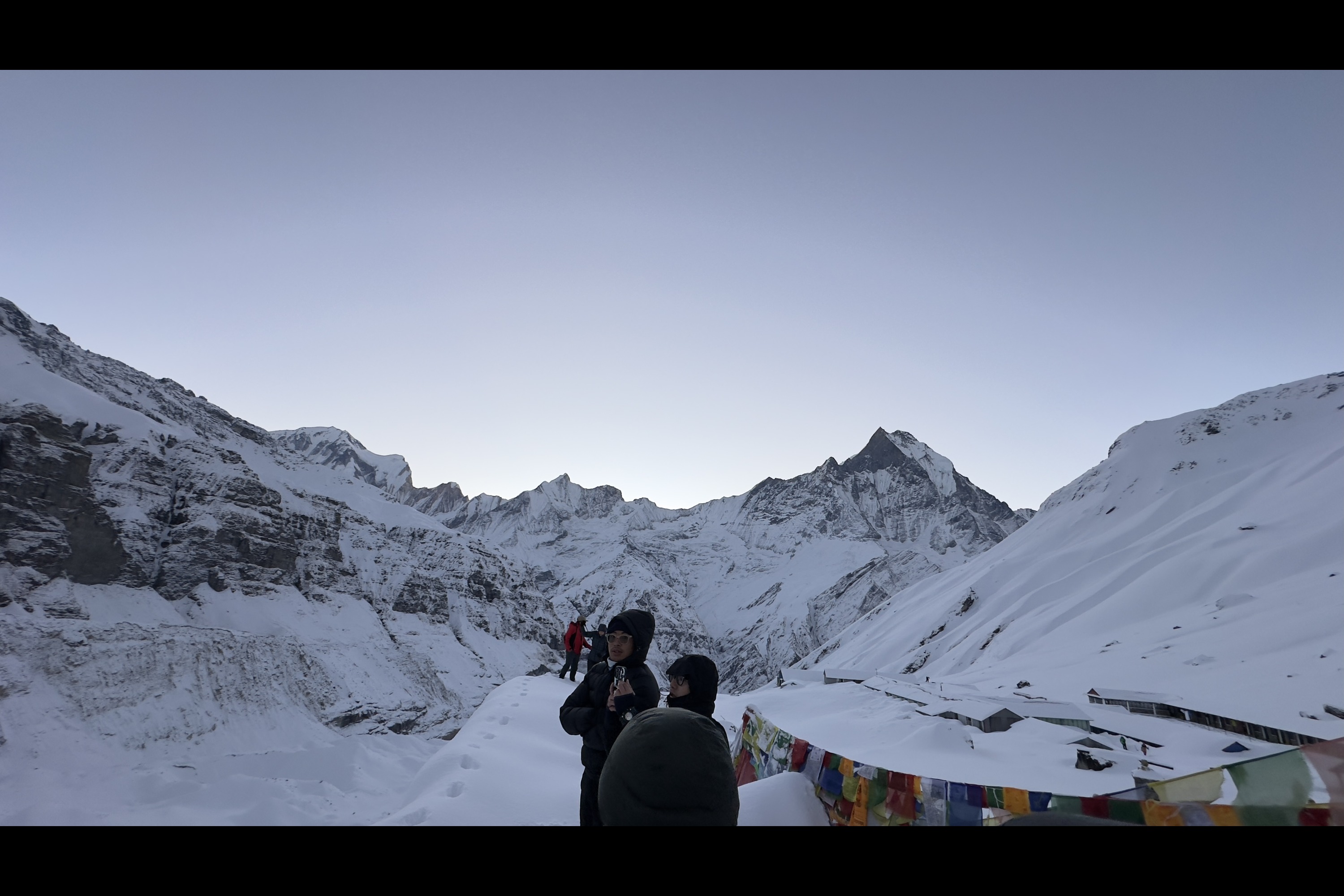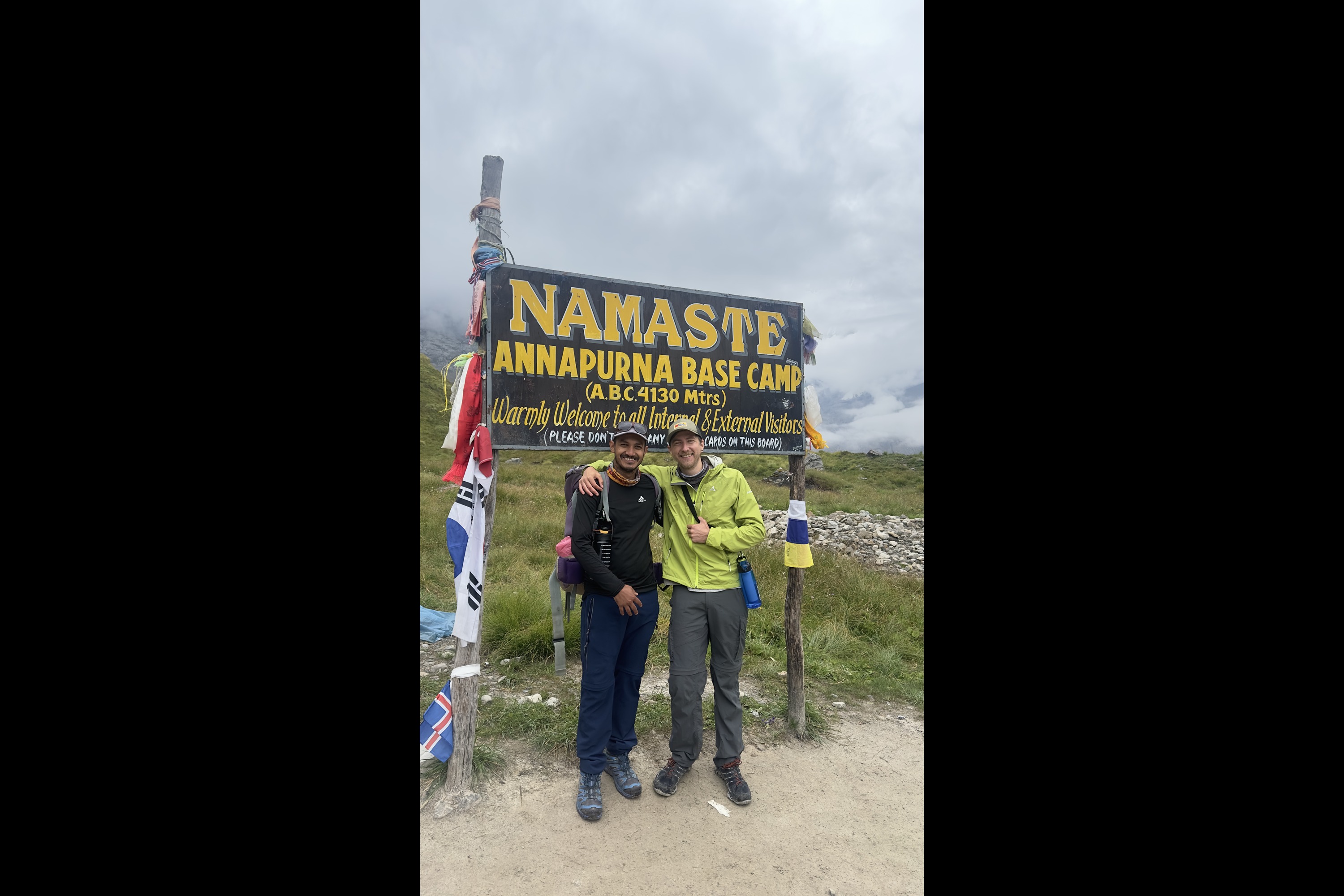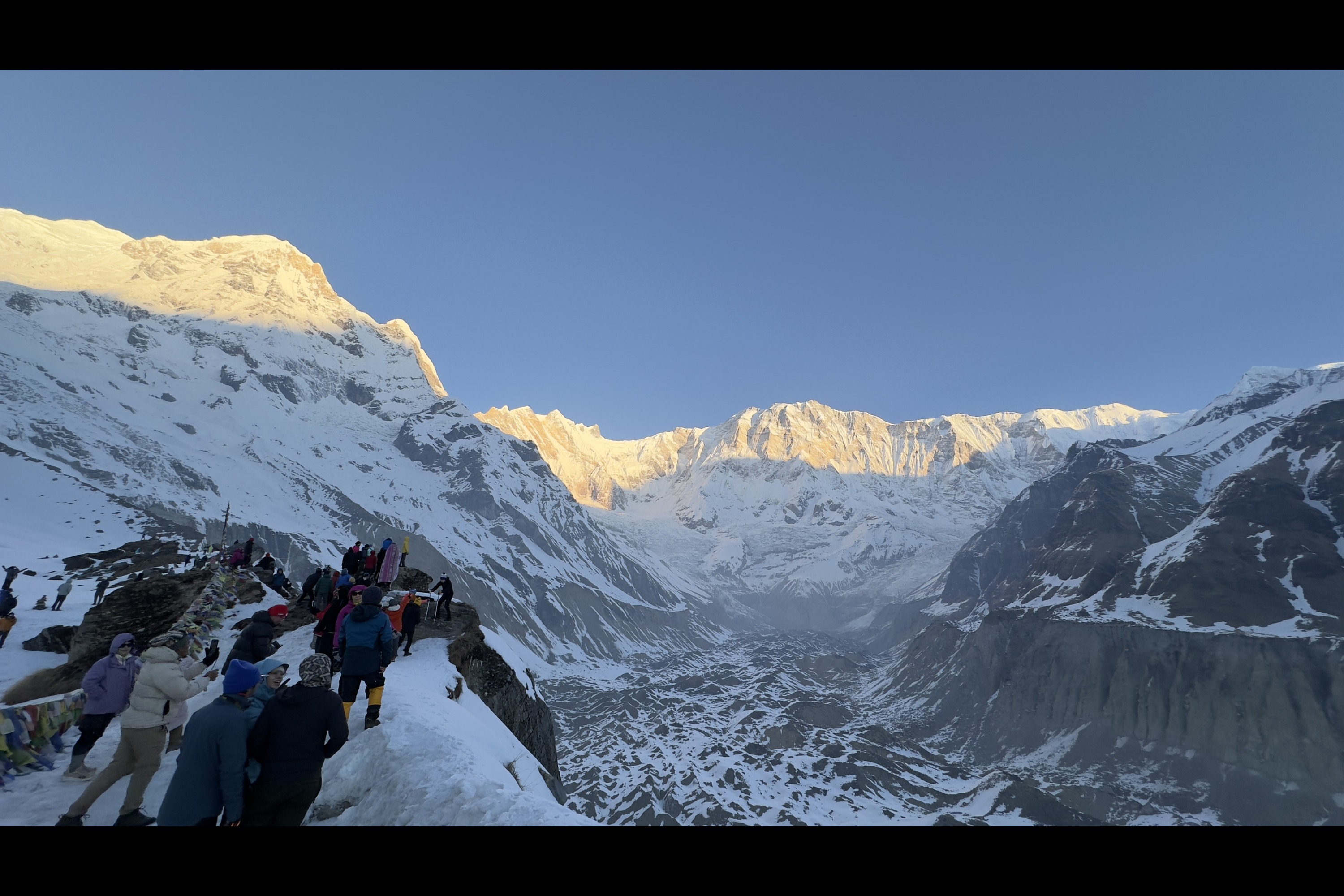
ANNAPURNA BASE CAMP(ABC) TREKKING
Annapurna Base Camp
4.5/5
100% of guests recommend
Duration
6 Days
Tour Type
Annapurna Trekking
Group Size
20 persons
Location
Annapurna Region
Overview
“Annapurna Base Camp(ABC) within beautiful and scenic sanctuary enclosed within mountains. Glorious Mountain views of the Annapurna range of peaks are available on daily exciting walks. Walk into a beautiful hill forest covered with rhododendron-oak and pine trees Adventure in the heart of Mt. Annapurna and a beautiful Sanctuary with a range of massive peaks from low warm paddy fields to cooler alpine hills ending at an arctic zone of ice and glaciers. Explore traditional Gurung villages hill tribe of Annapurna with interesting culture and customs Only 8,000 m mountain base camp in the whole Himalayas with the comfort of a nice lodge.”
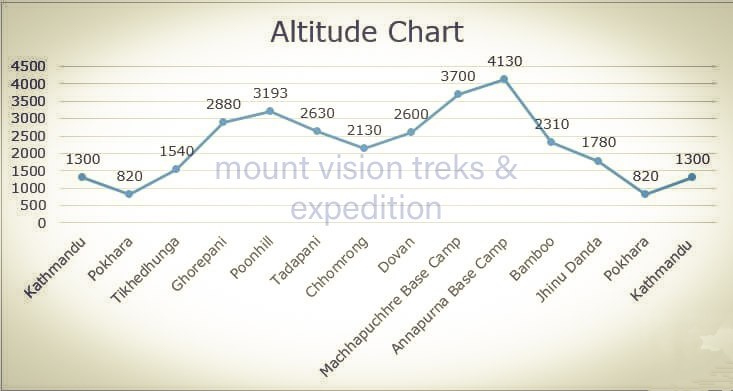
MAJOR HIGHLIGHTS OF THE ANNAPURNA BASE CAMP(ABC) TREKKING
Spectacular Mountain Views
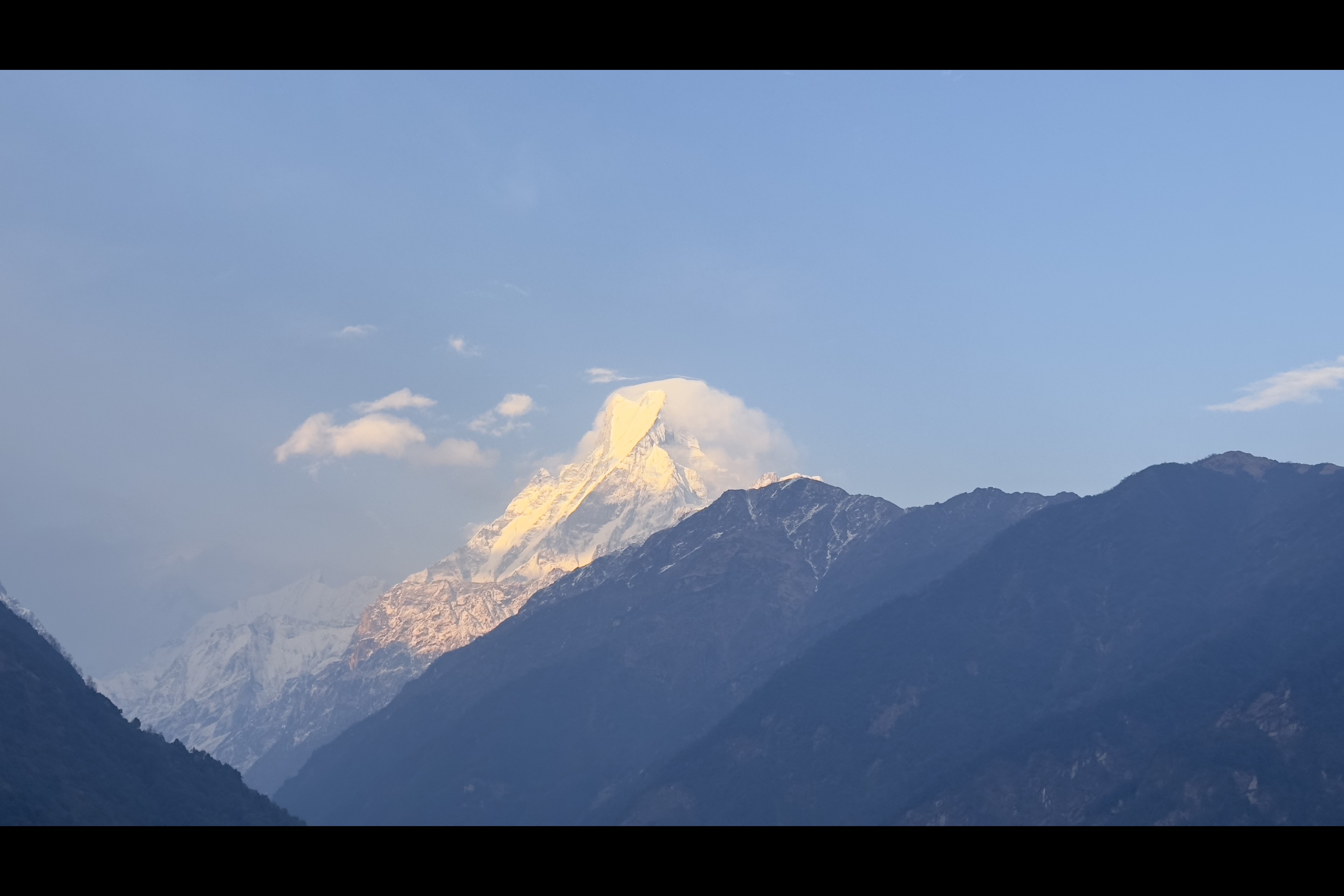
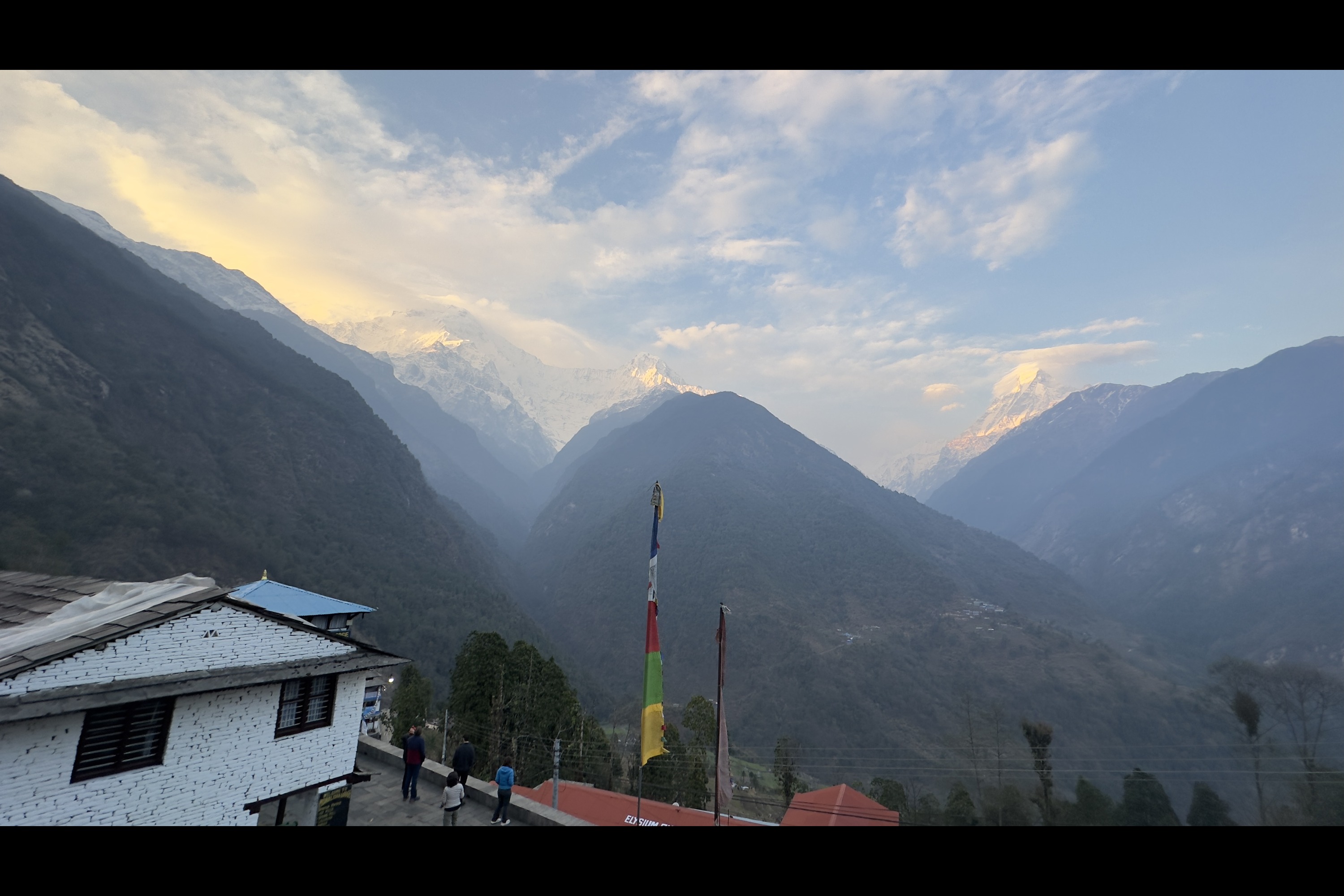
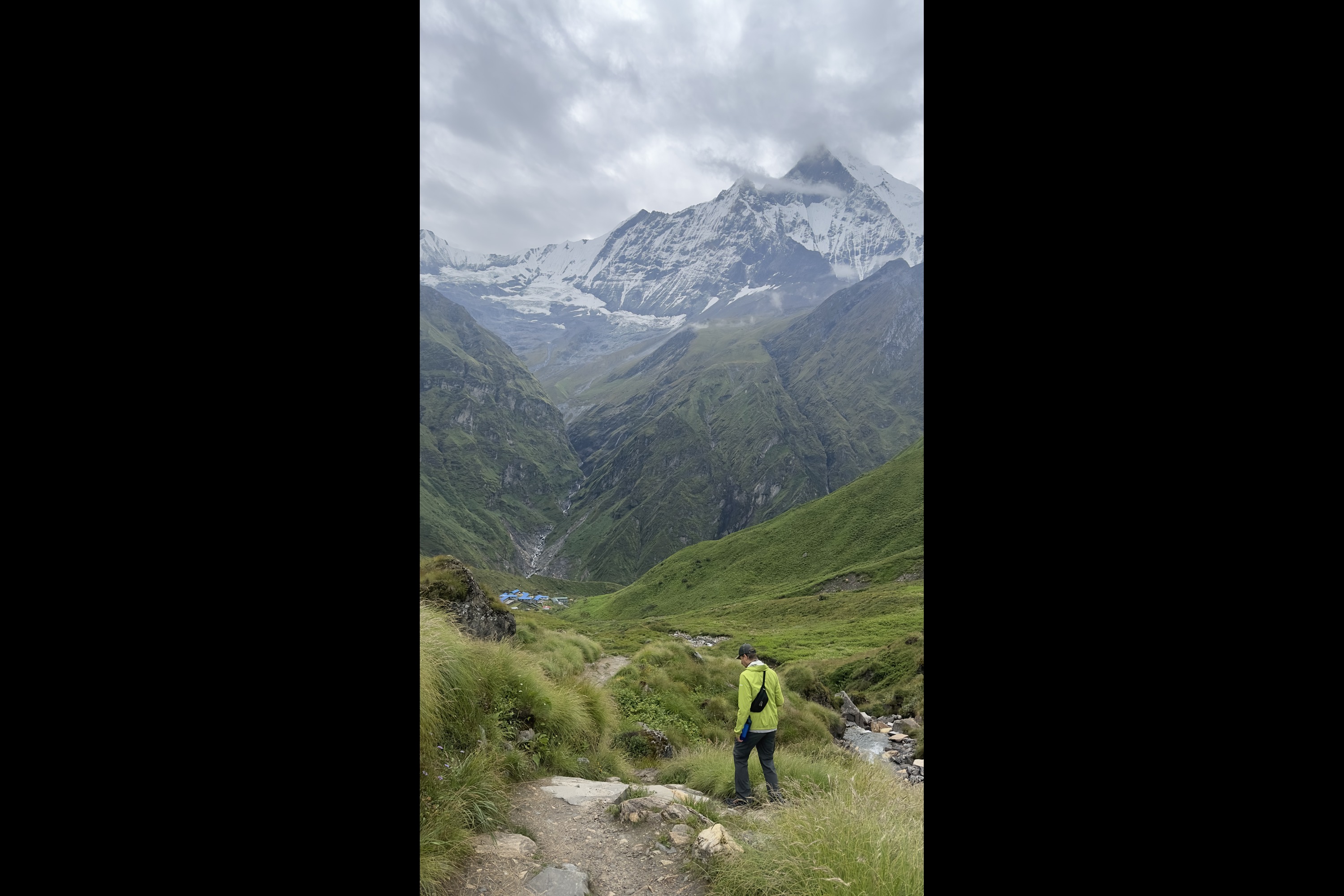
• Close-up views of iconic peaks like Annapurna I (8,091m), Machapuchare (Fishtail), Hiunchuli, and Dhaulagiri.
Diverse Landscapes
• Journey through lush rhododendron forests, terraced farmlands, alpine meadows, and glacial valleys.
Cultural Immersion
• Experience the rich culture and hospitality of the Gurung and Magar communities in villages like Ghandruk and Chhomrong.
Natural Hot Springs
• Relax and rejuvenate in the hot springs at Jhinu Danda, a welcome respite after long trekking days.
Machapuchare Base Camp
• A chance to visit this stunning base camp, known for its close proximity to the sacred Machapuchare peak.
Varied Flora and Fauna
• Walk through the Annapurna Conservation Area, home to unique Himalayan wildlife and diverse vegetation.
Sunrise and Sunset Views
• Witness breathtaking sunrises and sunsets over the Annapurna and Dhaulagiri ranges, especially from Poon Hill or near the base camp.
Moderate Difficulty
• A trek suitable for beginners and experienced trekkers alike, offering a mix of challenge and accessibility.
Seasonal Beauty
• Spring (March-May) offers blooming rhododendrons, while autumn (September-November) features crystal-clear skies.
Trek to an Iconic Base Camp
• Reaching Annapurna Base Camp at 4,130 meters is a dream come true, surrounded by towering Himalayan peaks.
Cultural and Culinary Experiences
• Enjoy traditional Nepali dishes like dal bhat and momos while learning about local traditions.
Eco-Friendly Trekking Route
• Well-maintained trails with tea houses promoting sustainable tourism.
Mode of Trekking:
Hotels and in lodge on walks.
Trek Grade:
Moderate to Adventurous
Area of Trek:
Nepal North Mid-West within Annapurna Himalaya region.
Highest Altitude Gain:
At Annapurna Base Camp 4,130 m high.
People and Culture:
Mainly populated by Gurung enriched with Buddhist religion and impressive culture.
Trek Duration:
05 Nights and 06 Days (Pokhara to Pokhara)
Average walks:
Minimum 4 hrs to Maximum 6 hrs.
Total Trip:
5 Nights and 6 Days Pokhara to Pokhara
Seasons:
All months of the year except monsoon times from June to August, and March to May are good for treks when wild-flowers in full bloom, where most of the days are clear for views Morning and Night time as well in shade will be cold without wind-chill factor, October to December the best month to trek when the day is clear, but short sunlight hours due to autumn and winter months will be very cold morning/night times with chances of snow.
INTRODUCTION - ANNAPURNA BASE CAMP(ABC) TREKKING
Annapurna Base Camp Trekking, a great short adventure of little over a week duration, is probably the only base camp within all Himalayas that you can reach in a short time frame, as well as the only base camp having facilities of warm and cozy lodges to stay.
Annapurna Base Camp Trekking is one of the most scenic spots enclosed within an array of peaks, where earlier pioneers named the place a sanctuary, due to its excellent location within high peaks surrounding you at Annapurna Base Camp and the beautiful sanctuary.
No other adventure in the Himalayas makes you feel at ease like on this Annapurna Base Camp trekking, without a big problem of catching AMS (Acute Mountain Sickness) or with high altitude symptoms.
Where this walk to Annapurna base camp and at scenic sanctuary leads you at a comfortable pace gaining heights gradually and getting acclimatized as you trek along from one nice place to another till you reach the main highlight of the adventure at Annapurna base camp above 4,130 m high.
Mt. Annapurna -I rise above 8,091 m high, the first world 8,000 meters mountain ever to be conquered by French Expeditions in the early 1950s even before Everest was climbed, a tremendous country to experience where walking leads you from low warm areas to high cooler mid hill then reaching at the arctic zone of ice and glaciers at Annapurna base camp and Sanctuary.
Apart from great close views of mountains other attractiveness is walking through the traditional farm villages of Gurung people witnessing its great culture of age-old heritage and custom and walking into serene alpine woodland makes this trek special.
On reaching our goal and final destinations at Annapurna Base Camp and in the comfort of a nice lodge with rooms facing views of high peaks, enjoying great moments, where return walks lead back into a cool forested area around Modi River gorge and then back into low warm farm areas where drive brings you back at beautiful Pokhara.
Annapurna Base Camp trekking starts and completes in the lovely city of Pokhara within the lakeside of Phewa, where the drive takes you to the capital Kathmandu after a marvelous and remarkable adventure and experience on Annapurna Base Camp Trekking.
PACKING LIST FOR ANNAPURNA BASE CAMP(ABC) TREKKING
Clothing
- Base Layers: Thermal tops and bottoms (2-3 sets).
- Trekking Shirts: Moisture-wicking t-shirts (3-4).
- Trekking Pants: Lightweight, quick-dry pants (2-3).
- Warm Layers: Fleece jacket or sweater (1-2).
- Insulated Jacket: Down jacket for high altitudes (essential).
- Rain Gear: Waterproof jacket and pants (Gore-Tex preferred).
- Underwear and Socks: Quick-dry underwear (5-6 pairs) and thermal socks (3-4 pairs).
- Gloves: Lightweight inner gloves and insulated waterproof outer gloves.
- Headwear: Warm hat, sun hat, and a buff or scarf.
Footwear
- Trekking Boots: Comfortable, waterproof hiking boots with good ankle support.
- Sandals/Slippers: For wearing around the tea houses.
- Gaiters: Optional, to prevent snow or mud from entering your boots.
Sleeping Essentials
- Sleeping Bag: Rated for -10°C to -20°C, depending on the season.
- Sleeping Bag Liner: Optional, for extra warmth and hygiene.
Trekking Gear
- Backpack: 40-50L for personal items (with a rain cover).
- Daypack: 15-20L for essentials during the trek.
- Trekking Poles: Adjustable and lightweight poles.
- Headlamp: With extra batteries.
- Water Bottles: 2 reusable bottles (or a hydration bladder).
- Water Purification: Tablets, filter, or UV purifier.
- for snow ; spike
Personal Items
- Toiletries: Toothbrush, toothpaste, biodegradable soap, wet wipes, and quick-dry towel.
- Sunscreen: SPF 30+ and lip balm with SPF.
- First Aid Kit: Band-aids, blister care, painkillers, antiseptic, altitude sickness medication (Diamox), and any personal prescriptions.
- Sanitation Supplies: Hand sanitizer, toilet paper, and a menstrual cup or sanitary items for women.
Electronics
- Camera: With extra memory cards and batteries.
- Phone and Charger: Include a power bank (solar chargers are useful).
- Adapter: Universal adapter for Nepali plugs.
Snacks and Supplements
- Energy Bars: High-calorie snacks like protein bars or trail mix.
- Electrolyte Powder: For hydration and replenishment.
- Tea Bags or Coffee Sachets: Optional for personal preference.
Documents
- Permits: Annapurna Conservation Area Permit (ACAP) and TIMS card.
- Passport: With a few photocopies.
- Cash: Nepali rupees for tea houses and tips (ATMs are unavailable on the trek).
- Travel Insurance: Covering trekking up to 4,130m and emergency evacuation.
Optional Items
- Book or Kindle: For downtime in the tea houses.
- Journal and Pen: To document your trek.
- Carabiners: For attaching items to your backpack.
- Sleeping Mask and Earplugs: For better rest in tea houses.
Additional Tips
- Layering is Key: Dress in layers to adjust to changing temperatures.
- Weight Management: Keep your backpack light; pack only essentials.
- Rent or Buy Locally: Many items can be rented or purchased in Kathmandu or Pokhara.
Included/Excluded
Three times meals (breakfast,lunch,dinner) breakfast with hot drinks . accommodations during trekking tea house basis
transportation to trekking starting point and from ending point to Pokhara
All necessary permits for trekking
duffels bags , sleeping bags , down jackets if you needed
First Aid and Eco trained English Speaking professionals to guide with a medical kit .
Staff insurance, well-paid salary, equipment, food, Hotel, etc.
2 nights hotel in pokhara at silver oaks inn
Certificate of achievement .
Farewell dinner in Nepali restaurant in Thamel before you depart from Nepal.
An airport transfer as per your departure date and time
ktm-pkr,pkr-ktm by tourist bus
airport pick-up and drop
International airfare, Nepal visa fee and any kind of insurance
Bar bills, extra foods hot drinks , drinking water
wifi, hot showers, local entrance fees, donations, mobile or power bank charge
tips for guide and porters (expected)
Hotel in kathmandu and pokhara (for not included on price )
Local entrance fees and donation .
ktm-pkr or pkr- ktm by air
Itinerary
DAY 1
DRIVE TO JHINU AND TREK TO SINUWA
DAY 1
DRIVE TO JHINU AND TREK TO SINUWA
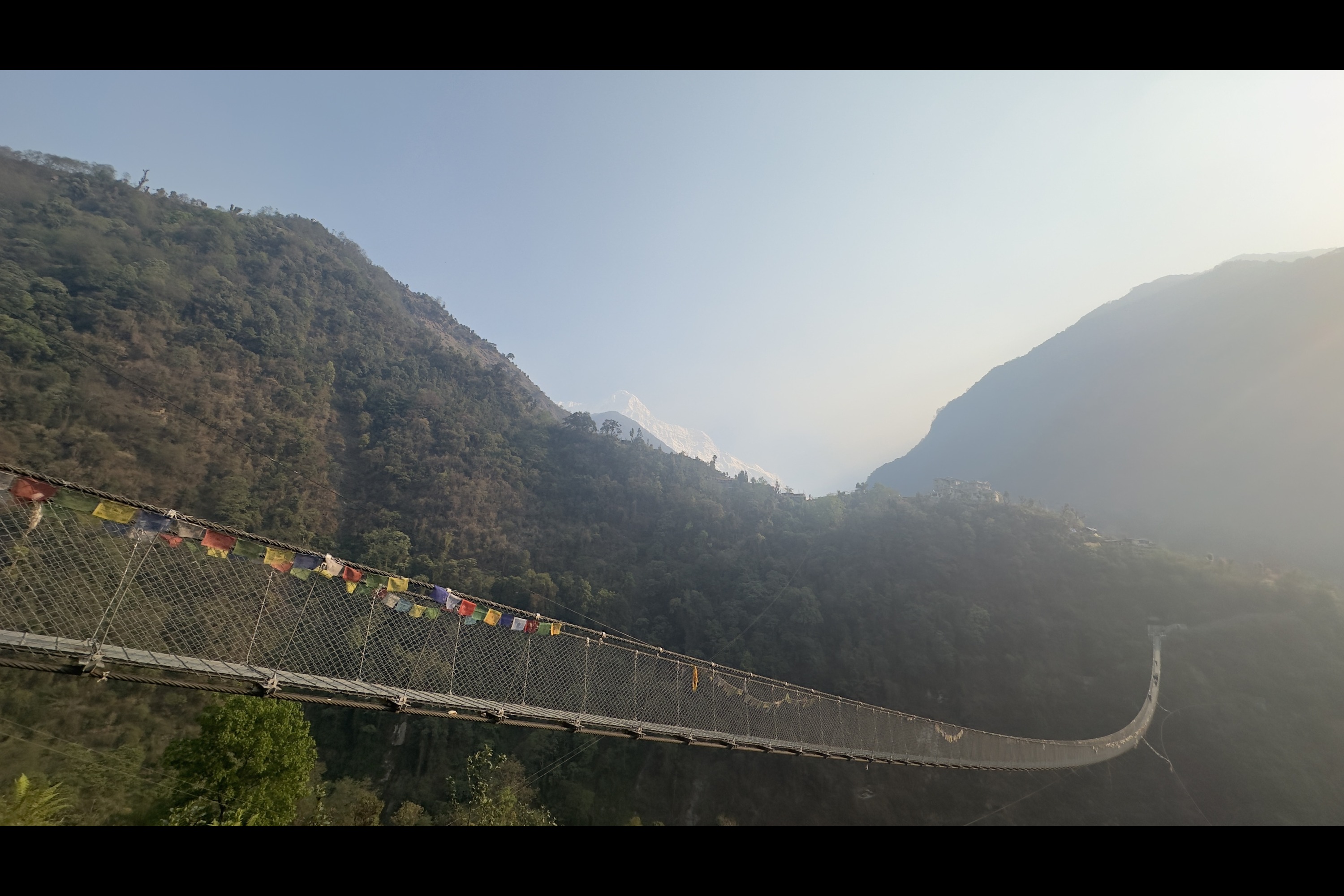
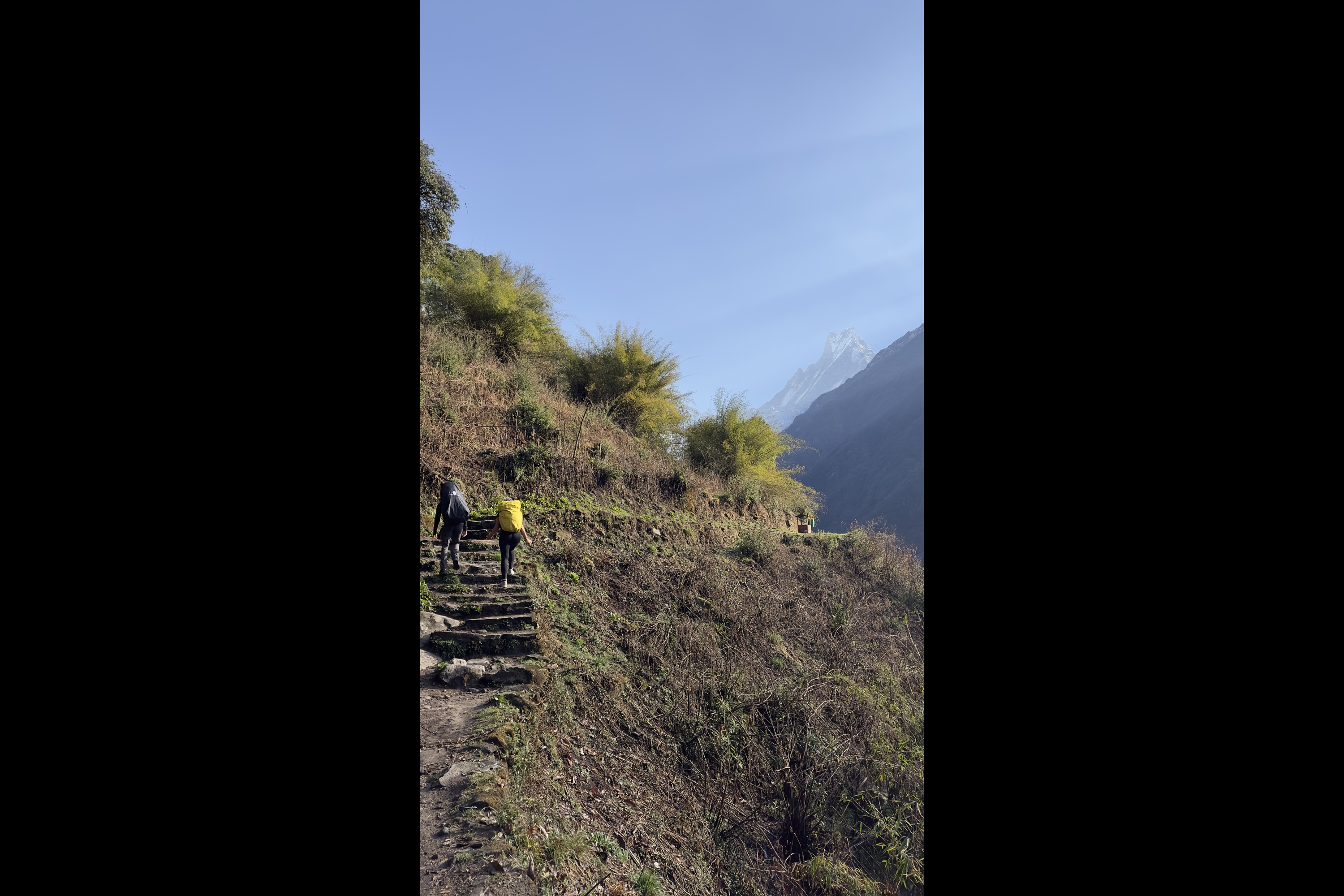
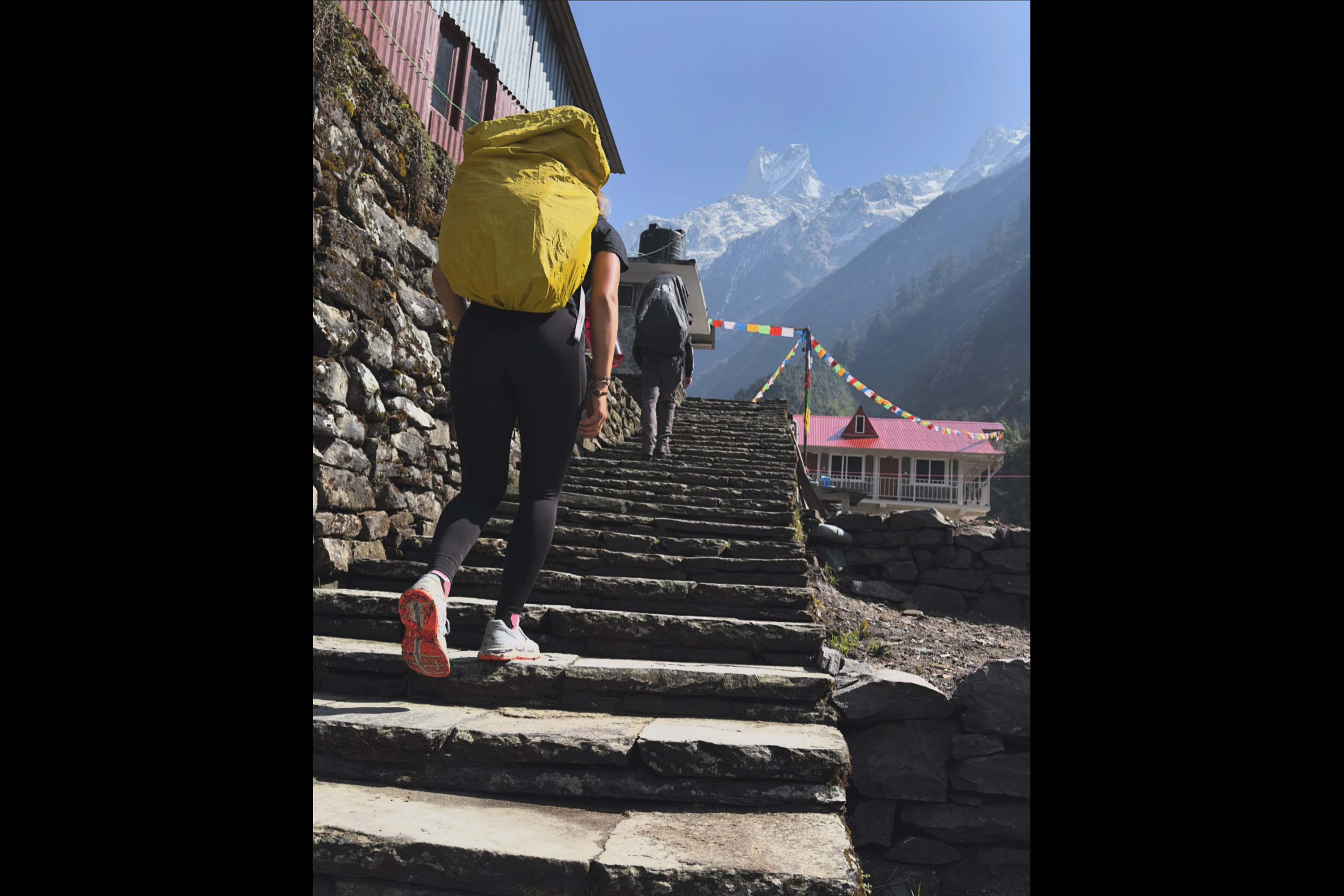
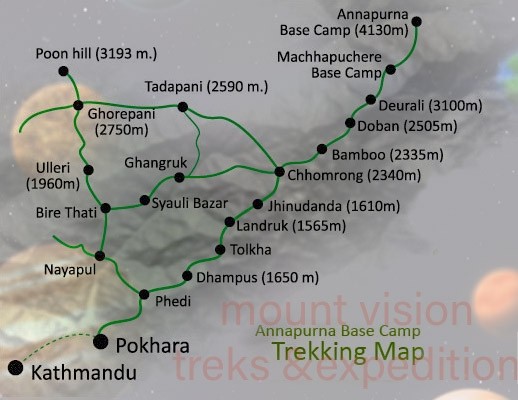
The first day of adventure will begin with drive from pokhara to samrung just before jhinu danda . real adventure start from here crossing the longest bridge of ABC route with view of hiun-chuli and annapurna II . start up-hill with stone-paved stairs up to chhomrong (2150mtr) chhomrong is a gourung cilture village on top of the hill facing annapurna and fishtail . decend to river and trek upto sinuwa for stay over night
DAY 2
SINUWA TO DEURALI A LONG DAY WITH UP AND DOWN
DAY 2
SINUWA TO DEURALI A LONG DAY WITH UP AND DOWN
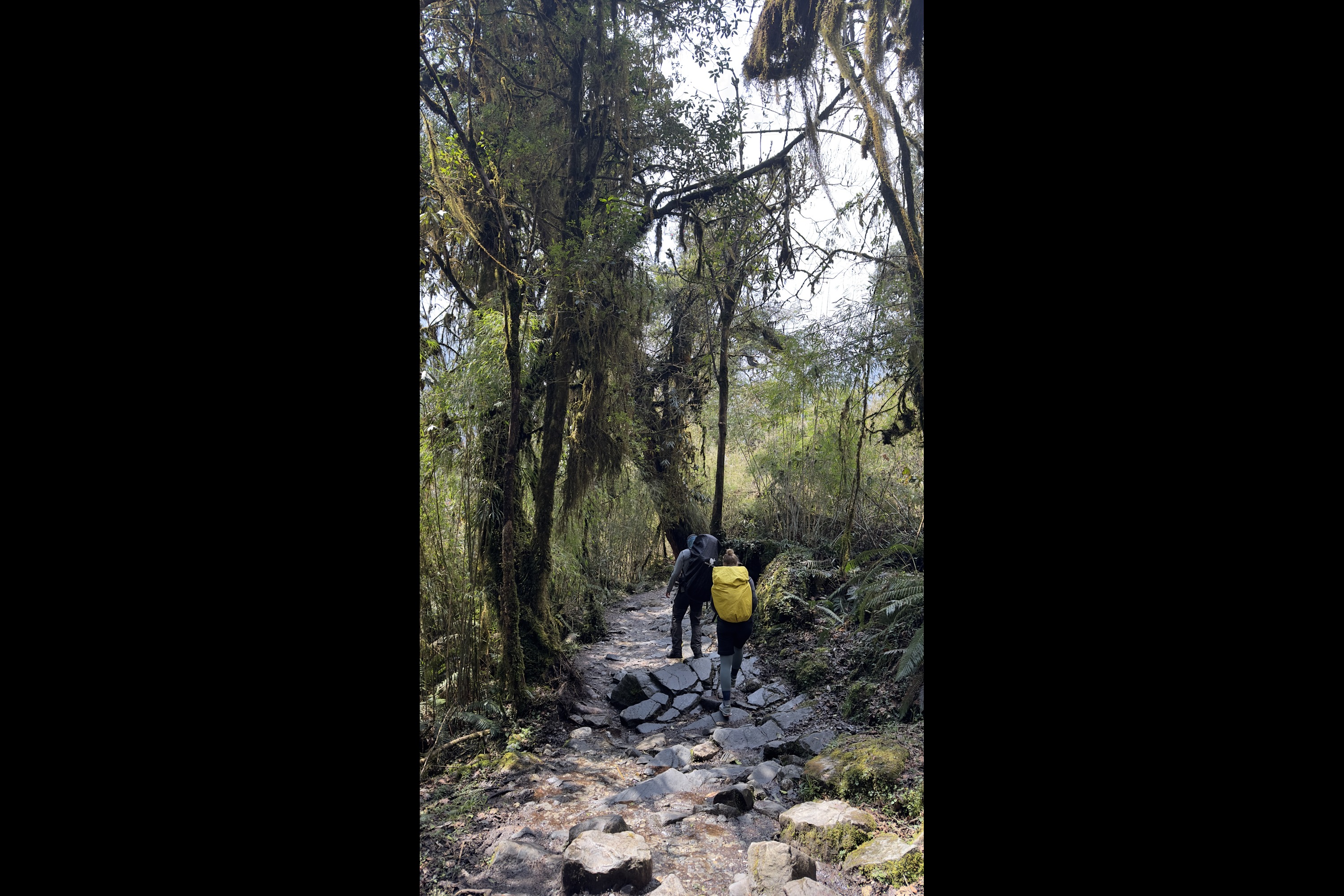
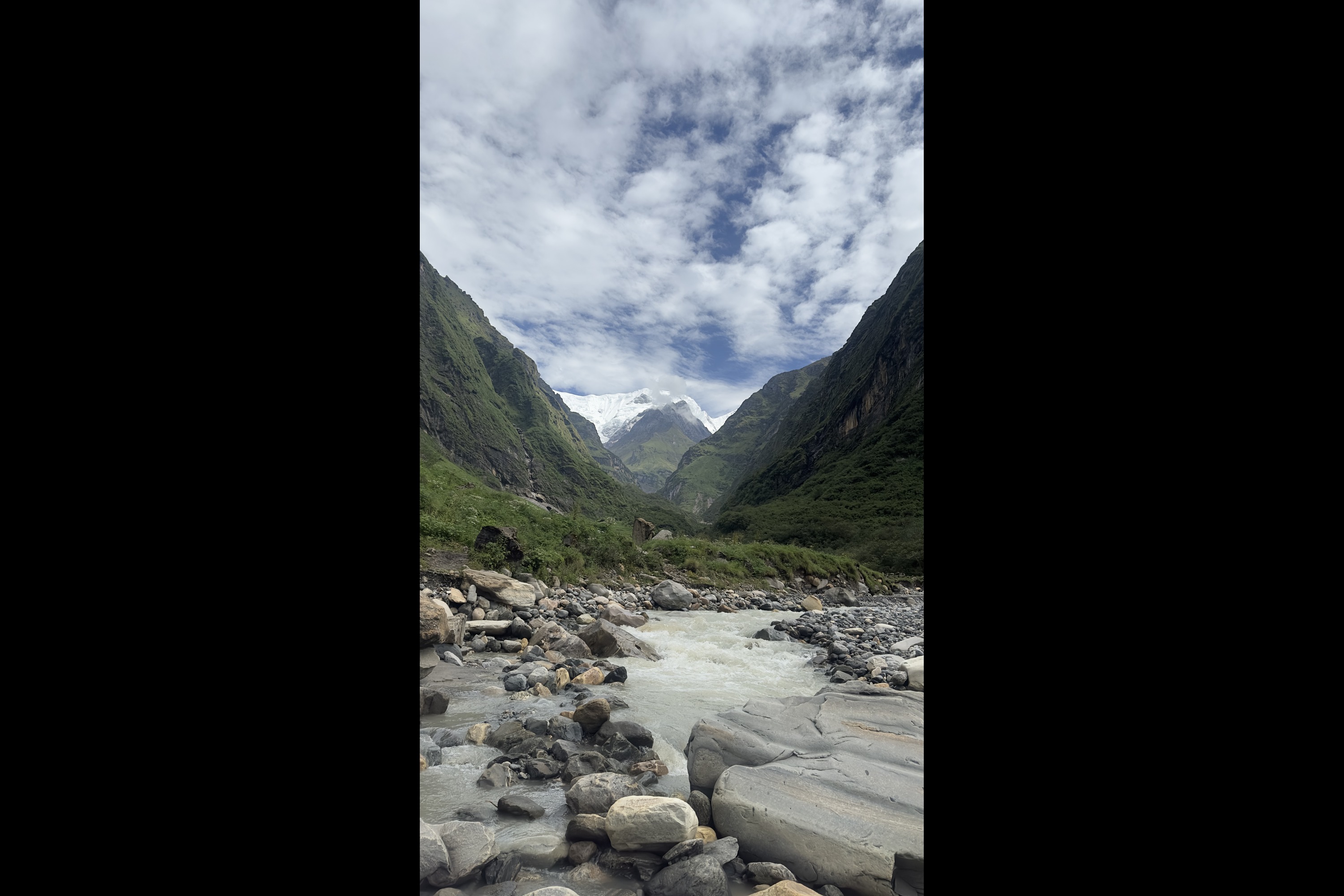
After breakfast we continue to the destination following up and down terrain through danse rainforest and bamboos forest following modi river to deurali
DAY 3
TREK TO ANNAPURNA BASE CAMPM FROM DURALI
DAY 3
TREK TO ANNAPURNA BASE CAMPM FROM DURALI
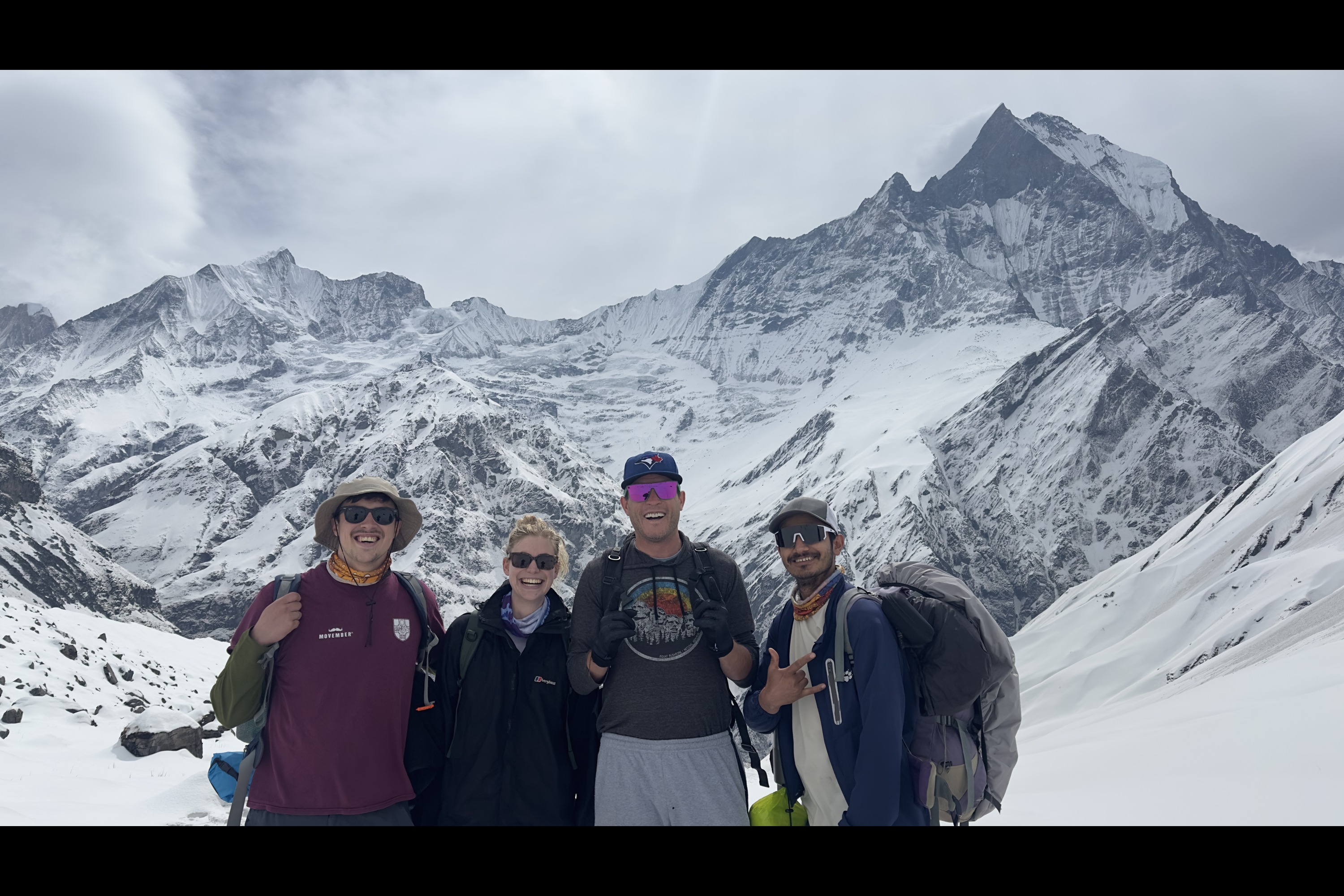
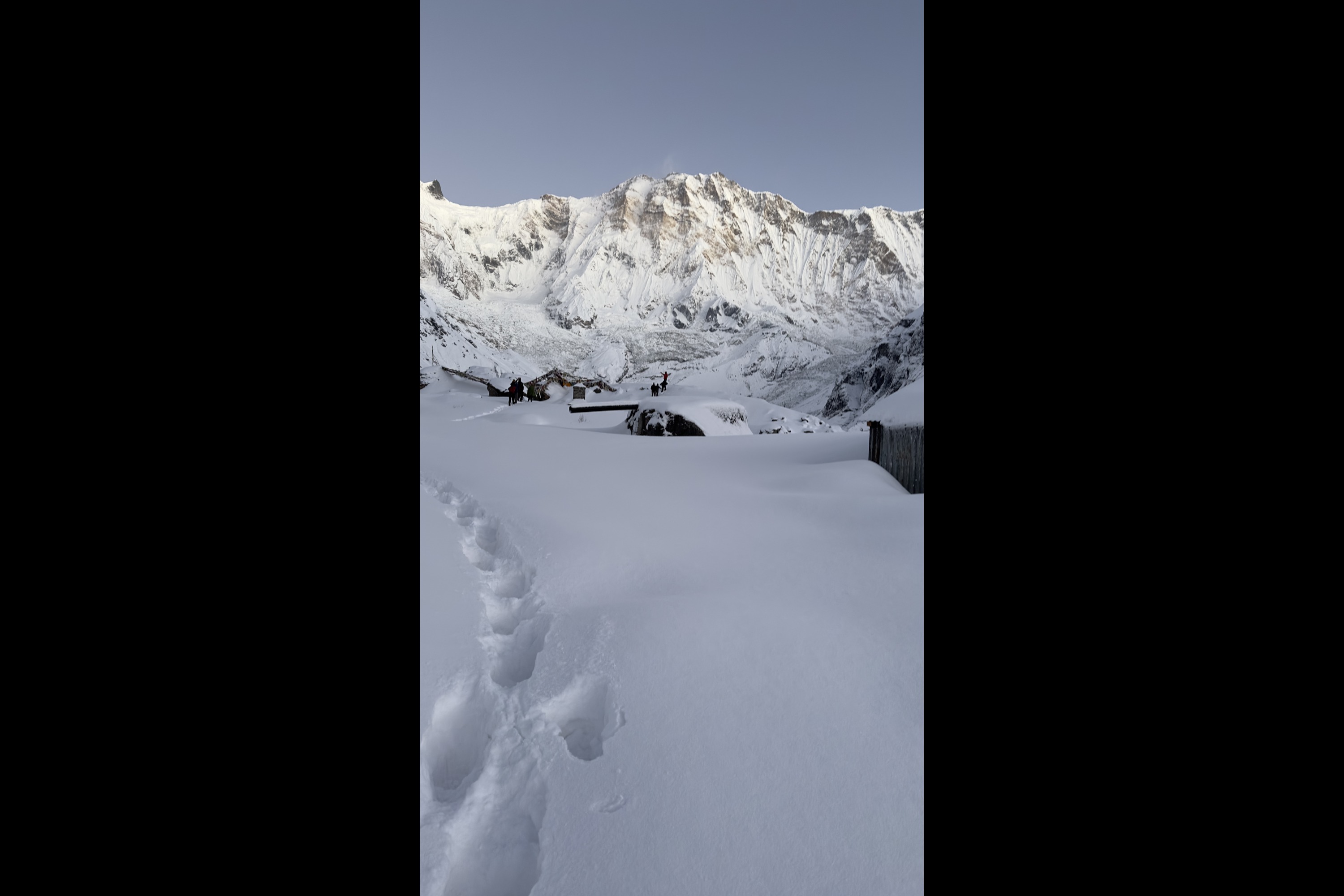
A vally with gigantic hills and mountain arround walk through there to MBC(machhapuchhre base camp) following modi river with view of mt.fishtail,(6995mtr) mt.Gangapurna(7555mtr) annapurna IV and others possible stop for lunch before final push to annapurna base camp after 2.5 hours of hike in to white mountain valley and grassy land can be at ABC the final destination over night stay in lap of Annapurna I and annapurna south facing many others mountains arrounds
DAY 4
AFTER SUNRISE VIEW DESCEND TO BAMBOO
DAY 4
AFTER SUNRISE VIEW DESCEND TO BAMBOO
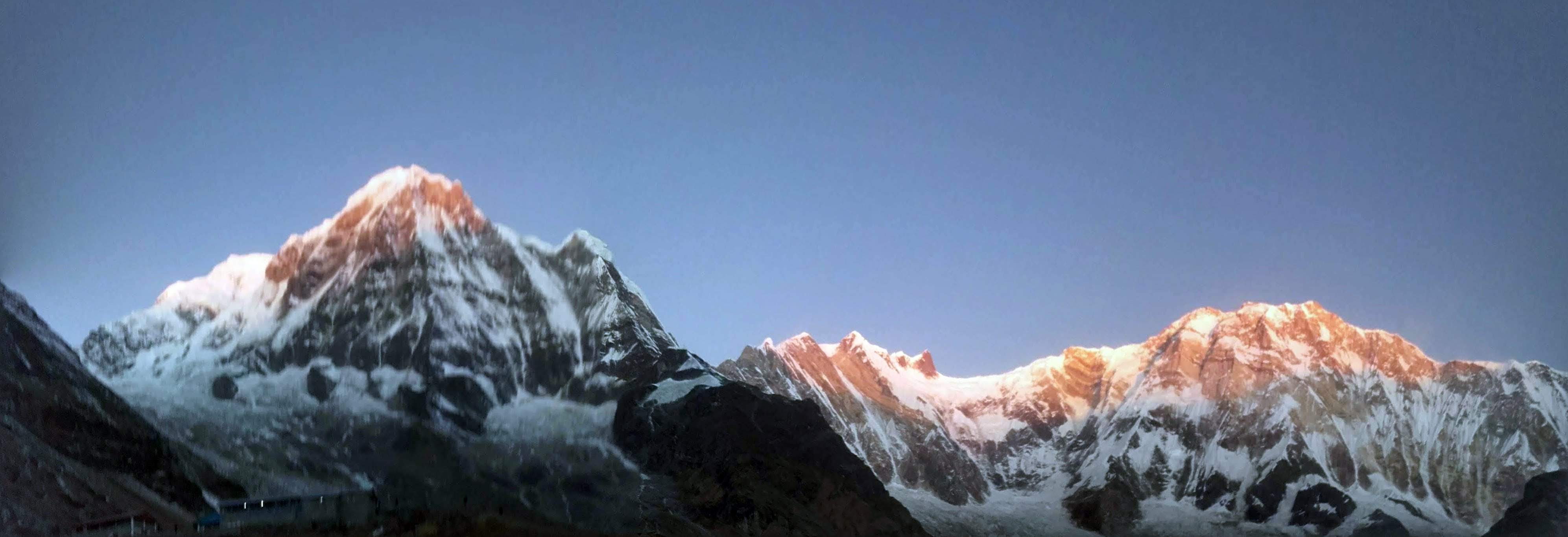
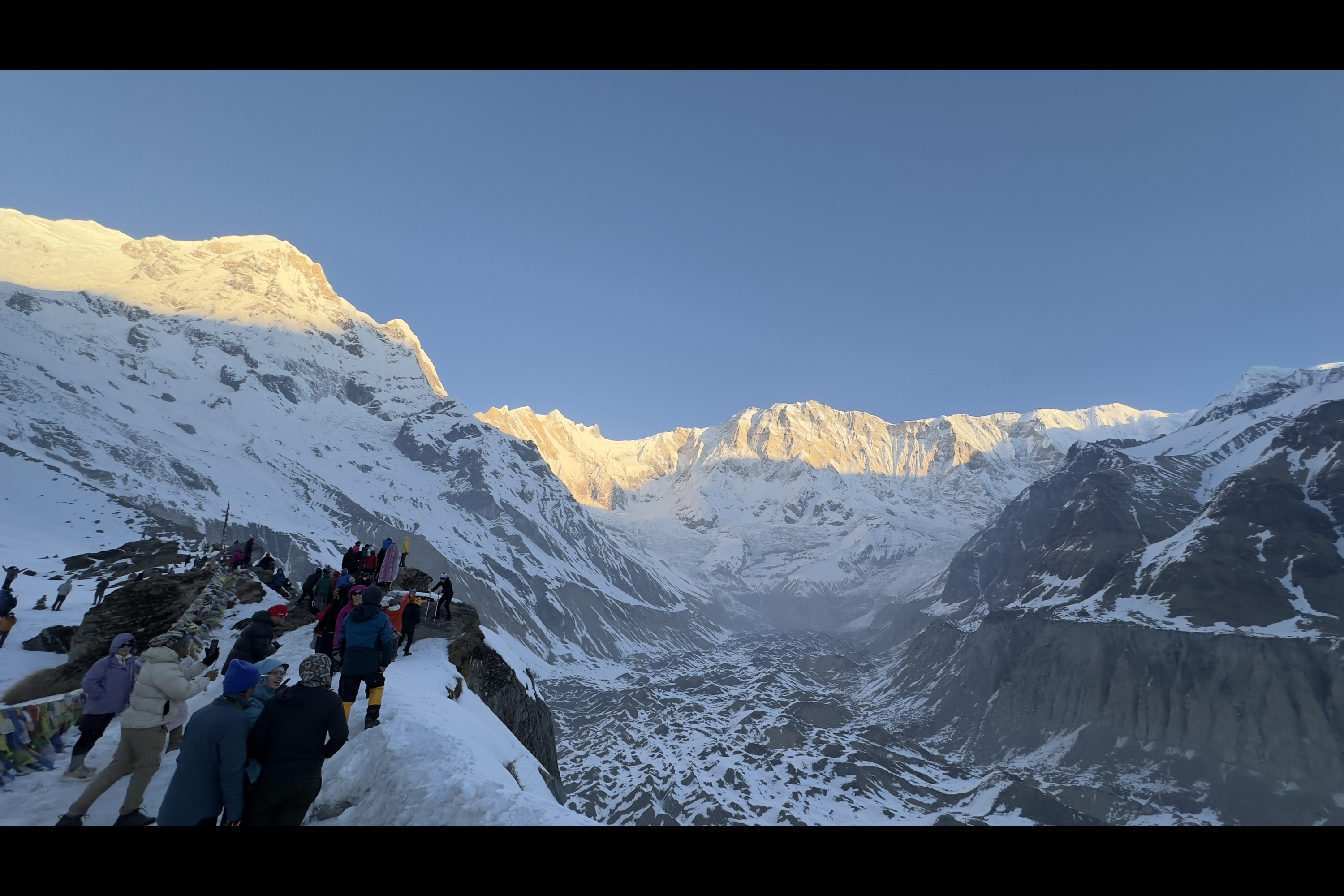
to enjoy the moments the sunlight kissing mountain with first ray from sun to earth can feel standing in front of a big pile of gold after sunrise view have breakfast enjoy every moments collect some non erasable memory then descend to bamboo following same route over night stay .
DAY 5
TREK TO JHINU DANDA NATURAL HOT-SPRING
DAY 5
TREK TO JHINU DANDA NATURAL HOT-SPRING
DAY 6
DRIVE BACK TO POKHARA
DAY 6
DRIVE BACK TO POKHARA
Travel Styles
Cultural
Nature & Adventure
Activities
Festival & Events
Special Interest
Facilities
Wifi
Staff Lounge
Golf Cages
Aerobics Room
FAQs
How difficult is the trek to Annapurna Base Camp?
The trek to Annapurna Base Camp is moderately difficult. There are thousands of stairs on this hike. With proper preparation, the trail's steep ascents and descents—which call for strong endurance—can be accomplished.
What are the key highlights of the Annapurna Base Camp trek?
The highlights include arriving at Annapurna Base Camp, exploring traditional Gurung villages, strolling through rhododendron forests, and taking in the breath-inspiring views of peaks like Dhaulagiri, Machapuchare, and Annapurna I. Additionally, you can spend time in Pokhara, Nepal's tourist capital, and take advantage of the hot springs at Jhinu Danda.
Is this trek suitable for first-time trekkers?
Yes, first-time hikers who are generally in good physical condition and ready for some difficult terrain can complete the Annapurna Base Camp Trek.
How long does it take to trek to Annapurna Base Camp?
A shorter version of the Annapurna Base Camp trip usually takes five days, while the complete version can take anywhere from seven to twelve days, depending on your pace and the route you take. The duration of this trek package is eleven days. Other shorter/longer packages are also available from us.
On this route, how many kilometers or miles do we hike per day?
You will often travel for five to seven hours each day, depending on the terrain and the schedule for the day. About 12 km will be covered each hike day.
Is the Annapurna Base Camp trek safe?
Indeed! The trek to Annapurna Base Camp is extremely safe. In the event of an emergency, we coordinate with your insurer to start an emergency helicopter evacuation, and our guides have received wilderness first aid training.
What distinguishes Circuit from Annapurna Base Camp?
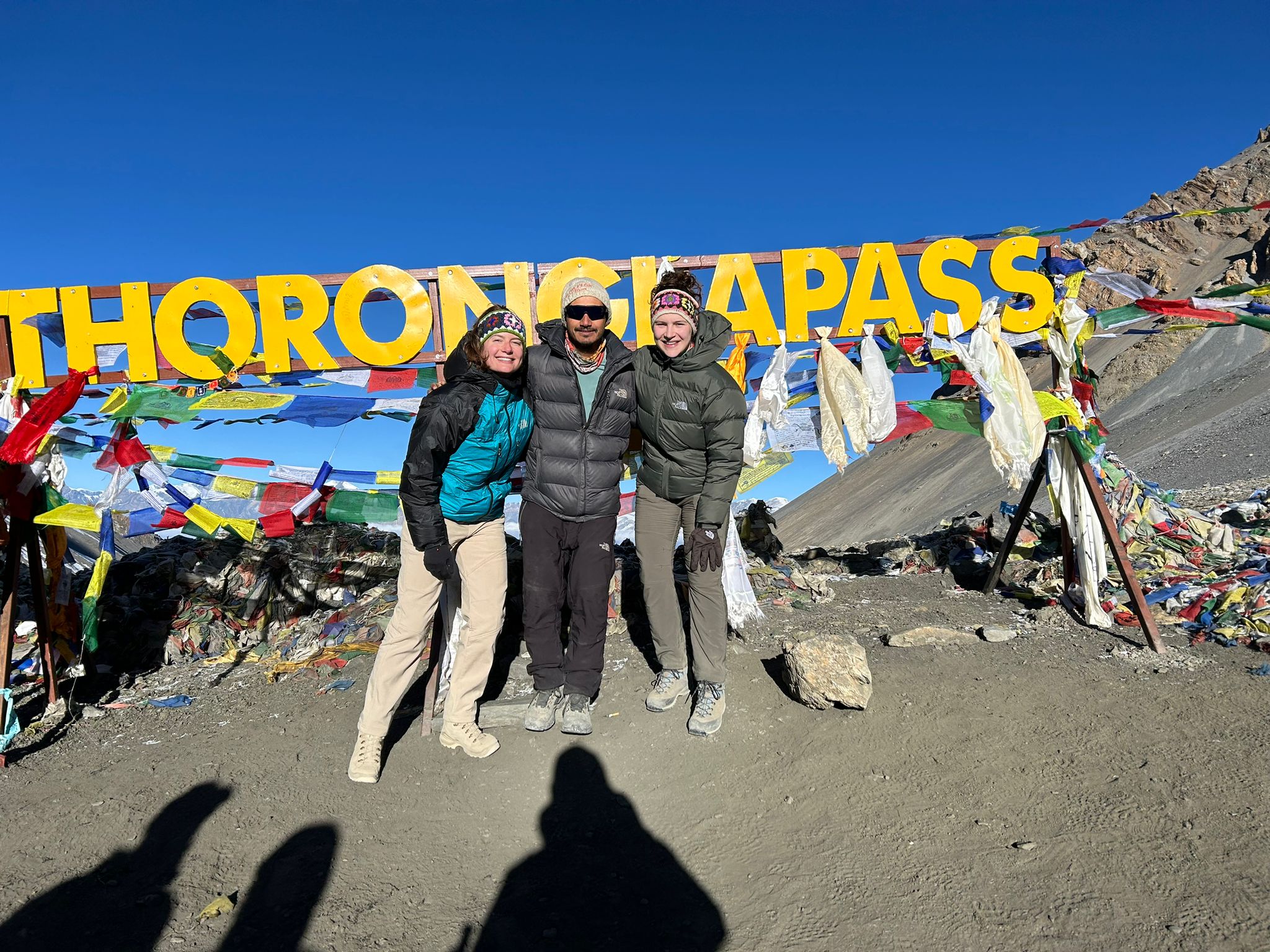
You can reach the 4,130-meter base of Annapurna Mountain by trekking to the Annapurna Base Camp. Reaching 5,416 meters at Thorong La Pass, the Annapurna Circuit Trek encircles the Annapurna ranges. Furthermore, the Annapurna Circuit walk is significantly longer than the Annapurna Base Camp hike.
What is the best time of year to do the Annapurna Base Camp trek?
he best times for this trek are spring (March to May) and autumn (September to November) when the weather is mild and the views are clear.
How cold does it get on the Annapurna Base Camp trek?
Higher elevations can experience below-freezing temperatures, particularly at night. Depending on the season, it can be cool to quite cold during the day.
What kind of weather should I expect?
Lower elevations will be pleasant and sunny, but higher elevations will be cold, windy, and possibly snowy. From March to October, there may be some rain and snowfall, and occasionally there will be strong winds and snowfall. Bring waterproof gear and layers.
Will there be snow on the trail during the trek?
At higher elevations, snow might be present, particularly if you hike in the late fall, early spring, or winter.There will be snow above Deurali from March to April. Near the base camp, be ready for snowy conditions.
How does one handle altitude sickness while trekking to Annapurna Base Camp?
To limit the possibilities of acquiring altitude sickness, you must ascend gradually and take acclimatization intervals. In severe situations, our advisor will evaluate your circumstances and offer the required guidance or assistance. If it's serious, our guide may ask you to descend right away.
What is altitude sickness?
Altitude sickness, also known as acute mountain sickness (AMS), occurs when the body struggles to adjust to low oxygen levels at high elevations. Symptoms include headaches, dizziness, nausea, and shortness of breath. It typically affects individuals ascending too quickly above 2,500 meters (8,200 feet) without proper acclimatization. Severe cases can lead to life-threatening conditions like high-altitude pulmonary edema (HAPE) or high-altitude cerebral edema (HACE). Preventative measures include gradual ascent, staying hydrated, and acclimatization breaks.
symptoms of AMS?
Headache (most common symptom)
Dizziness or lightheadedness
Nausea and vomiting
Loss of appetite
Fatigue and weakness
Difficulty sleeping (insomnia)
Shortness of breath with exertion
How to prevent altitude sickness?
1. Gradual Ascent
Ascend slowly to allow your body to adjust to lower oxygen levels.
Avoid climbing more than 300-500 meters (1,000-1,600 feet) per day above 2,500 meters.
Take rest days every 3-4 days at high altitudes.
2. Hydration and Nutrition
Drink plenty of water to stay hydrated.
Avoid alcohol, caffeine, and smoking as they can worsen dehydration.
Eat carbohydrate-rich meals to maintain energy levels.
3. Acclimatization
Spend a day or two at moderate altitude before ascending higher.
Follow the "climb high, sleep low" rule – hike to higher elevations during the day but sleep at a lower altitude.
4. Medications
Acetazolamide (Diamox) can help speed up acclimatization. Consult a doctor before use.
Pain relievers like ibuprofen can help with mild symptoms.
5. Listen to Your Body
If symptoms of AMS appear, descend immediately to a lower altitude.
Do not push yourself if you feel unwell – ignoring symptoms can lead to severe complications like HAPE or HACE.
What is the protocol for medical emergencies during the trek?
Our guide will administer first aid in an emergency and may choose to descend right away. If the situation is urgent, we coordinate with your insurer to start an emergency helicopter evacuation.
Is there phone or radio communication available during the trek?
Indeed, Nepal Telecom provides service up to Machhapuchhre Base Camp. After that, ABC offers wifi and satellite phone service for communication.
What safety measures are in place when trekking?
Our guide will keep an eye out for altitude sickness, make sure you're walking at a safe pace, and check the weather frequently. In addition, the team has prepared evacuation plans (financed by insurance) and a first-aid kit.
What should I bring with me on the journey to Annapurna Base Camp?
A headlamp, water purification tablets, a waterproof jacket, sturdy boots, trekking poles, warm clothes, sunscreen, sunglasses, a cap, and basic hygiene are all necessary. For more information, please refer to our equipment list.
Should I bring a sleeping bag, or are they provided in the tea houses?
Bringing your own sleeping bag is a smart idea, particularly for higher elevations where temperatures plummet. Although blankets are provided by tea houses, sleeping bags could offer additional warmth if necessary.
Which kind of hiking shoes are ideal for the hike to Annapurna Base Camp?
Bring trekking footwear that are comfortable, waterproof, and have adequate ankle support. Prior to your travel, make sure they are broken in.
Bring trekking footwear that are comfortable, waterproof, and have adequate ankle support. Prior to your travel, make sure they are broken in.
Indeed. In Kathmandu, you may hire sleeping bags, poles, and jackets, among other trekking supplies. If necessary, we can introduce you to these stores.
What type of meals are provided on the Annapurna Base Camp trek?
Along with foreign alternatives like pasta, noodles, dumplings, burgers, pizza, and soups to keep you nourished throughout the hike, you'll also be served traditional Nepali meals like dal bhat tarkari (rice, lentils, and veggies).
Are there vegan or vegetarian food options available?
Yes, teahouses provide vegan and vegetarian selections. Just let our guide know ahead of time, and they'll make sure your dietary requirements are met. Please be aware that we advise eating vegetarian food in trek areas due to hygienic issues.
Is it safe to drink water along the trek, or should I bring my own?
Untreated water from natural sources including rivers, taps, and wells should not be consumed. Teahouses along the route sell boiling or bottled water. However, we suggest that you carry a water bottle and fill it with boiled or filtered water, which you can buy from tea cafes or lodgings, for environmental reasons. Additionally, we advise using water purification tablets prior to consuming water.
Are there places to purchase snacks and drinks along the trail?
Yes, you can buy snacks, drinks, and basic supplies at teahouses or small shops along the route, though prices tend to increase as you gain altitude.
What kind of accommodation can I expect during the Annapurna Base Camp trek?
Along the way, you'll stay in comfortable teahouses and lodges. These provide basic beds, tidy rooms, and common areas for rest and meals. The majority of the accommodations are twin-sharing. At higher elevations, however, you may have to share a room with other people due to inadequate infrastructure.
Are the lodges and tea houses secure and comfortable?
Yes, they offer the necessities and are secure and comfy. We carefully choose tea houses and lodges based on factors including cleanliness, security, and level of service.
Will there be electricity available along the way for me to charge my electronics?
Although most teahouses have power, you might have to pay a little price to charge your electronics.
Will I have access to Wi-Fi during the trek?
Yes, most tea houses/lodges have Wi-Fi, but it’s often slow and may incur an additional charge. You have to be prepared for limited connectivity.
Do the tea houses have hot water for showers?
Hot showers are provided by the majority of teahouses, albeit they may incur a modest price. But the higher you go, the less likely this choice is to occur.
Will I be accompanied on the Annapurna Base Camp trip by a licensed guide?
Yes, all of our guides have years of expertise and are licensed by the government. Our guides are first-aid wilderness trained and hail from the remote Himalayas. They have also done rock climbing.
Will I have a porter to help carry my gear?
Yes, a porter will help you transport your equipment. Two trekkers' bags are usually carried by a single porter. Our porters are only permitted to handle 20–25 kg of luggage. As a result, you can only bring 10–12 kilos of luggage with the porter. Individually
How much should porters and guides be tipped for this trek?
Guides are paid little more than porters, therefore you should tip them about 10% of the total cost of the trek. We think the tip ought to be commensurate with the level of service.
Is travel insurance required for the Annapurna Base Camp trek?
Travel insurance that covers emergency helicopter evacuation up to the highest hike height (4,130m) and medical treatment fees is indeed necessary.
What should my insurance cover for trekking at higher altitudes?
Your insurance must cover medical costs and evacuation (up to 4,130 meters).
Does the hiking package include insurance?
Insurance is not included in our packages. Before starting the expedition, you will need to make the necessary arrangements independently.
How do I get a visa for Nepal, and would I need one?
Yes, a visa is required for visitors entering Nepal who are not Indian. Nonetheless, the majority of citizens can obtain an on-arrival visa at Kathmandu's Tribhuvan International Airport. You need two passport-sized photos, a passport with six months left on it, and an application cost that changes according to how long you plan to remain. Currently, a 30-day stay costs USD 50.
What permits do I need for the Annapurna Base Camp trek?
The TIMS (Trekkers' Information Management System) card and the Annapurna Conservation Area Permit (ACAP) are required.
Are the permits included in the package price?
Yes, both permits are included in the package, so you won’t need to worry about obtaining them.
Can the permits be arranged by your company?
Of course. Before the trek starts, we'll make the required permit arrangements for you.
How do I get to where the Annapurna Base Camp hike begins?
As part of your package, we will take you to Pokhara and from there to the trailhead at Tikhedunga.
Are domestic flights or transportation included in the package?
Certainly, the package includes transportation from Pokhara to the trekking area and back. Flights from Kathmandu to Pokhara or the other way around are not covered, though. You can fly to and from Pokhara for an extra fee.
Can you arrange transportation after the trek is finished?
Yes, if you would like, we can set up transportation for you to return to Pokhara or Kathmandu following the trek.
Does the package cover airport pickup and drop-off?
Yes, for your convenience, free airport pickup and drop-off services are provided from and to Kathmandu Airport. In a distant country, we want to make sure you don't feel alone.
How can I book the Annapurna Base Camp trek with your company?
Easily make a reservation using our website or get in touch with us personally. Our staff will assist you with any inquiries and walk you through the reservation process.
What payment methods do you accept for booking?
We take Wise, bank transfers, and credit card payments. You are free to select the option that works best for you. To confirm the trek reservation, we require ten percent of the total payment up front.
Is there a deposit required to secure my spot?
Yes, we require 10 percent of the trek to confirm your booking, and you can pay the balance upon arriving in Kathmandu.
What is your cancellation policy for this trek?
Our cancellation policy allows refunds up to a certain number of days before the trek. Please visit our terms and conditions page.
Are there any other expenses I should be mindful of?
In addition to the package, you will need to pay for personal charges such as hot and cold beverages, hot showers, food, alcohol, charging electronics, and Wi-Fi.
What degree of physical condition is necessary to trek to Annapurna Base Camp?
You should be able to walk for five to seven hours each trekking day on a variety of terrain and be in good physical shape. You can prepare by doing regular aerobic and leg-strengthening workouts.
How should I prepare physically for this trek?
Strength training for your legs and cardiovascular activities like cycling or jogging should be your main priorities. Long hikes are a good way to increase your endurance.
Can children or the elderly participate in the Annapurna Base Camp Trek?
Children and the elderly are welcome to participate as long as they are physically healthy, have previous trekking experience, and can handle the altitude and terrain. However, we do not advocate this walk for youngsters under 16 or anyone over the age of 70.
Do I need any prior trekking experience for the Annapurna region?
Prior trekking experience is not required, however it may be useful. A high degree of fitness and preparedness will make your trip significantly more enjoyable.
Are there any substantial altitude-related obstacles on this trek?
You will reach altitudes greater than 4,000 meters. As a result, altitude sickness is a potential problem. To limit the possibilities of getting altitude sickness, walk at your own speed, acclimatize appropriately, and remain hydrated.
Is Annapurna Base Camp tougher than Everest Base Camp?
No! The Annapurna Base Camp Trek takes you to 4,130 meters at Annapurna Base Camp, while the Everest Base Camp Trek takes you to 5,555 meters at Kala Patthar. Hence, Annapurna Base Camp is easier. Furthermore, the Annapurna Base Camp trek location is far more accessible.
Tour Location
Annapurna Base Camp
Reviews
4.5/5
Excellent
Based on
4 reviews
Excellent
2
Very Good
2
Average
0
Poor
0
Terrible
0

12/30/2024 12:56
Great Trip
Eum eu sumo albucius perfecto, commodo torquatos consequuntur pro ut, id posse splendide ius. Cu nisl putent omittantur usu, mutat atomorum ex pro, ius nibh nonumy id. Nam at eius dissentias disputando, molestie mnesarchum complectitur per te
12/30/2024 12:56
Trip was great
Eum eu sumo albucius perfecto, commodo torquatos consequuntur pro ut, id posse splendide ius. Cu nisl putent omittantur usu, mutat atomorum ex pro, ius nibh nonumy id. Nam at eius dissentias disputando, molestie mnesarchum complectitur per te
12/30/2024 12:56
Good Trip
Eum eu sumo albucius perfecto, commodo torquatos consequuntur pro ut, id posse splendide ius. Cu nisl putent omittantur usu, mutat atomorum ex pro, ius nibh nonumy id. Nam at eius dissentias disputando, molestie mnesarchum complectitur per te
sport trend
12/30/2024 12:56
Easy way to discover the city
Eum eu sumo albucius perfecto, commodo torquatos consequuntur pro ut, id posse splendide ius. Cu nisl putent omittantur usu, mutat atomorum ex pro, ius nibh nonumy id. Nam at eius dissentias disputando, molestie mnesarchum complectitur per te
Showing 1 - 4 of 4 total
MVTreks and Expedition

Member Since Dec 2024
27%
from
$900
$650
Tour Start Date
{{ start_date_html }}
Tour End Date
{{ end_date_html }}
Last Booking Date
{{ last_booking_date_html }}
{{start_date_html}}
{{type.desc}}
{{type.display_price}} per person
Extra prices:
({{type.price_type}})
{{type.price_html}}
Discounts:
{{type.from}} - {{type.to}} guests
from {{type.from}} guests
- {{ formatMoney(type.total) }}
({{type.price_type}})
{{ type.price }}%
{{ formatMoney(type.price) }}
- {{total_price_html}}
- {{pay_now_price_html}}
You might also like
Featured
15%
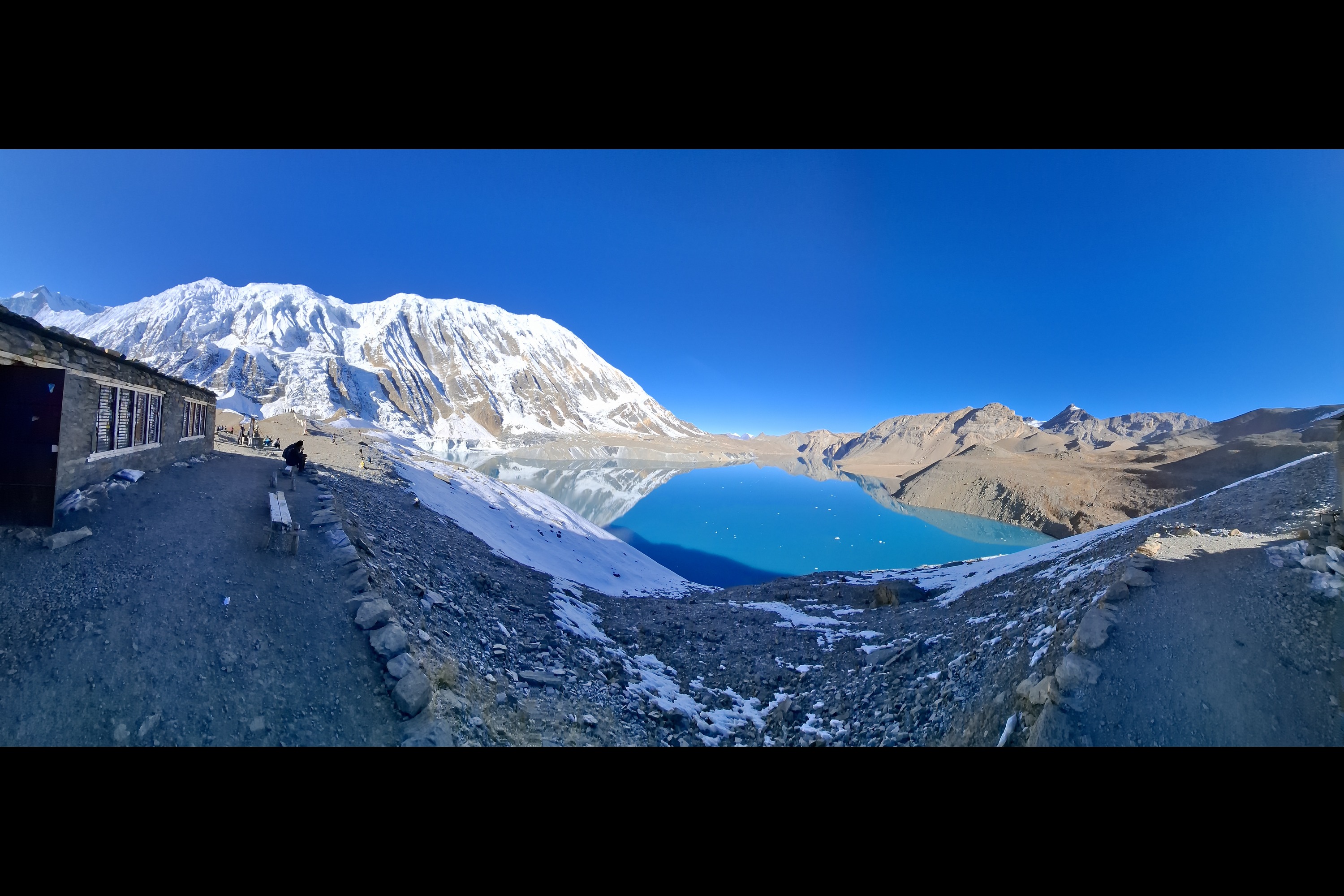
Annapurna Region
12D
from
$1,000
$850
Featured
35%
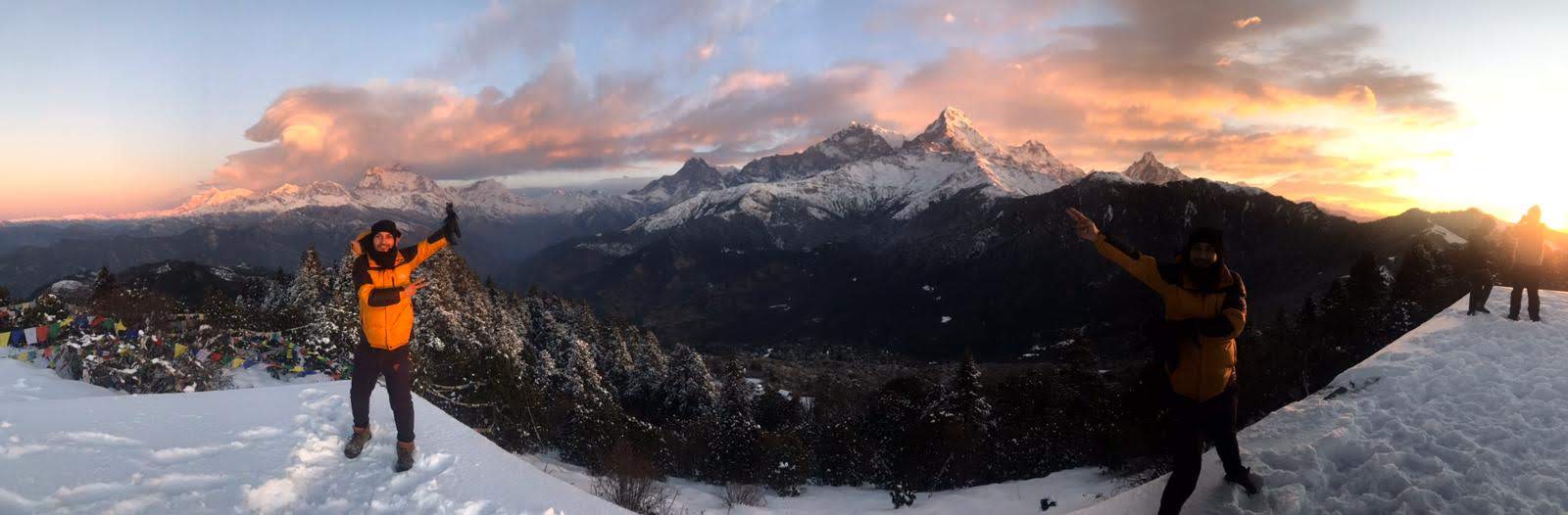
Annapurna Region
5D
from
$1,000
$650
from
$900
$650